Adding a mini split to an Arizona home with a furnace
Send the form and stop researching installers for the new mini split.
A furnace handles the few cold mornings here, but it was never built to fight an Arizona summer. A mini split gives you cooling you can point at one room, a workshop, a converted garage, a bonus room the ducts never reached well, without putting more load on the system that already strains to keep up from April through October.
Most homes in Arizona heat with electricity, and power here runs about average in price, so a mini split isn't fighting an unusual rate structure. It's a second, separate way to cool, sized for the space it serves instead of the whole house.
Adding one next to an existing furnace is a specific job. The line set, the condensate drain, the electrical circuit, and where the outdoor unit sits all have to work with a house that was built around a furnace and ducts, not around a mini split. A contractor who installs these in Arizona homes every summer has seen how that pairing usually goes, where the outdoor unit should sit to actually get airflow, and what tends to go wrong when it's placed wrong.
You don't have to figure out which contractor to call or explain your situation five times over. Send the form once, and the search is off your plate. One licensed, local contractor gets matched to your home, not a list of five companies competing for your number. They'll already know this is a mini split going in alongside a furnace, in a house dealing with Arizona heat, before they ever walk through your door.
From there, the rest is a conversation about your space, not a cold call.
Can I add a mini split to my house if I already have a furnace?
You've got a furnace for those cold desert mornings, and now you're eyeing a mini split for a room that never cools down right, or a garage you've converted into a workshop. You're not trying to replace anything. You just want to know if the two can run side by side without an electrician or installer telling you it's not possible, or worse, finding out after the fact that it causes problems with what you already have.
Yes, a mini split works alongside a furnace with no conflict between them
A furnace moves heat through ducts. A mini split runs on its own line, straight from an outdoor unit to the indoor head in the room you're cooling. They don't share any equipment, so one doesn't limit or interfere with the other. In most Arizona homes, the furnace already does double duty for heat since electric heat is standard here, which means the mini split's only job is cooling, and usually just the one space the ducts don't reach well: a garage, a bonus room, a room over the garage that always runs hot. The electrical panel needs enough capacity for the new unit, and a licensed installer checks that before anything goes in.
Running the way it should
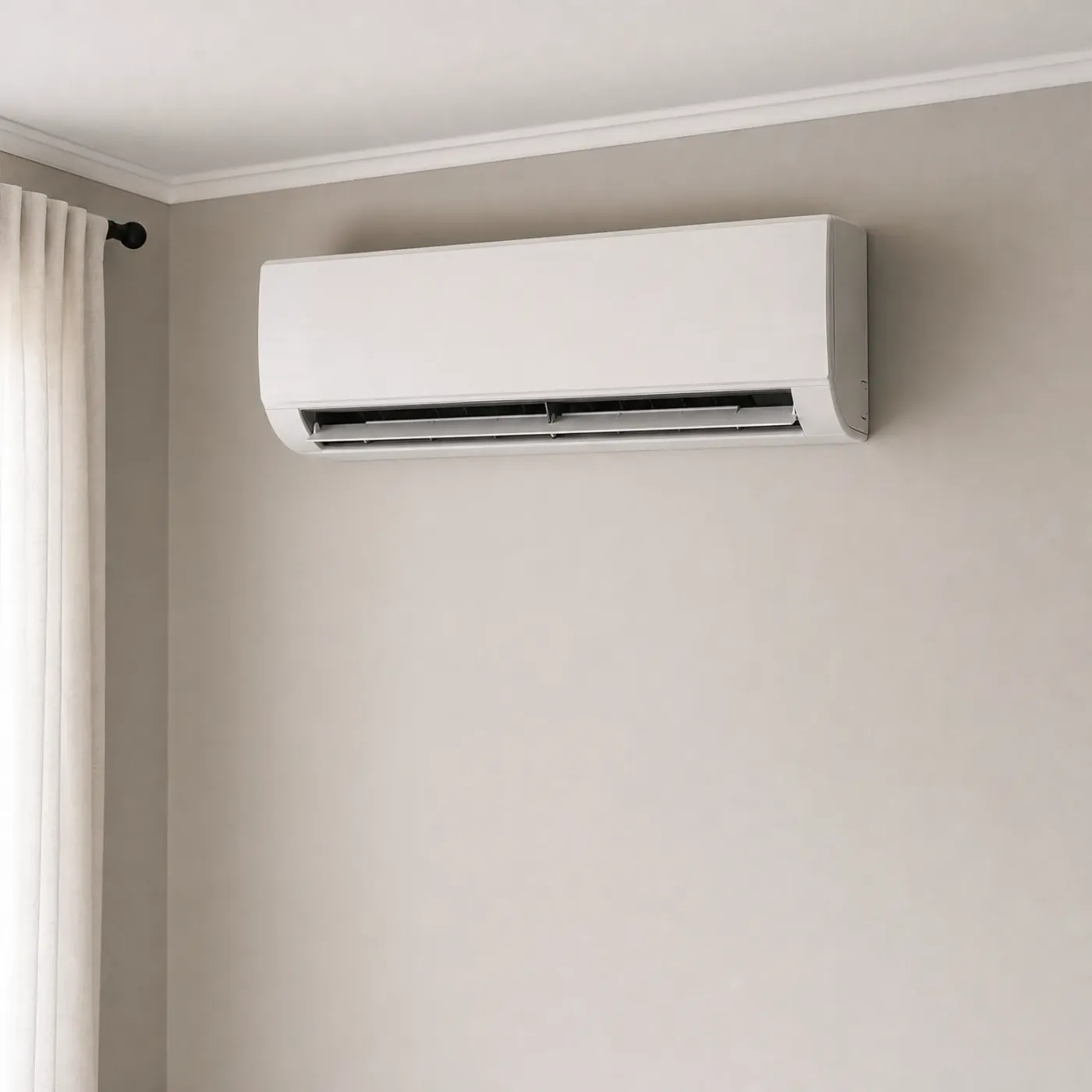
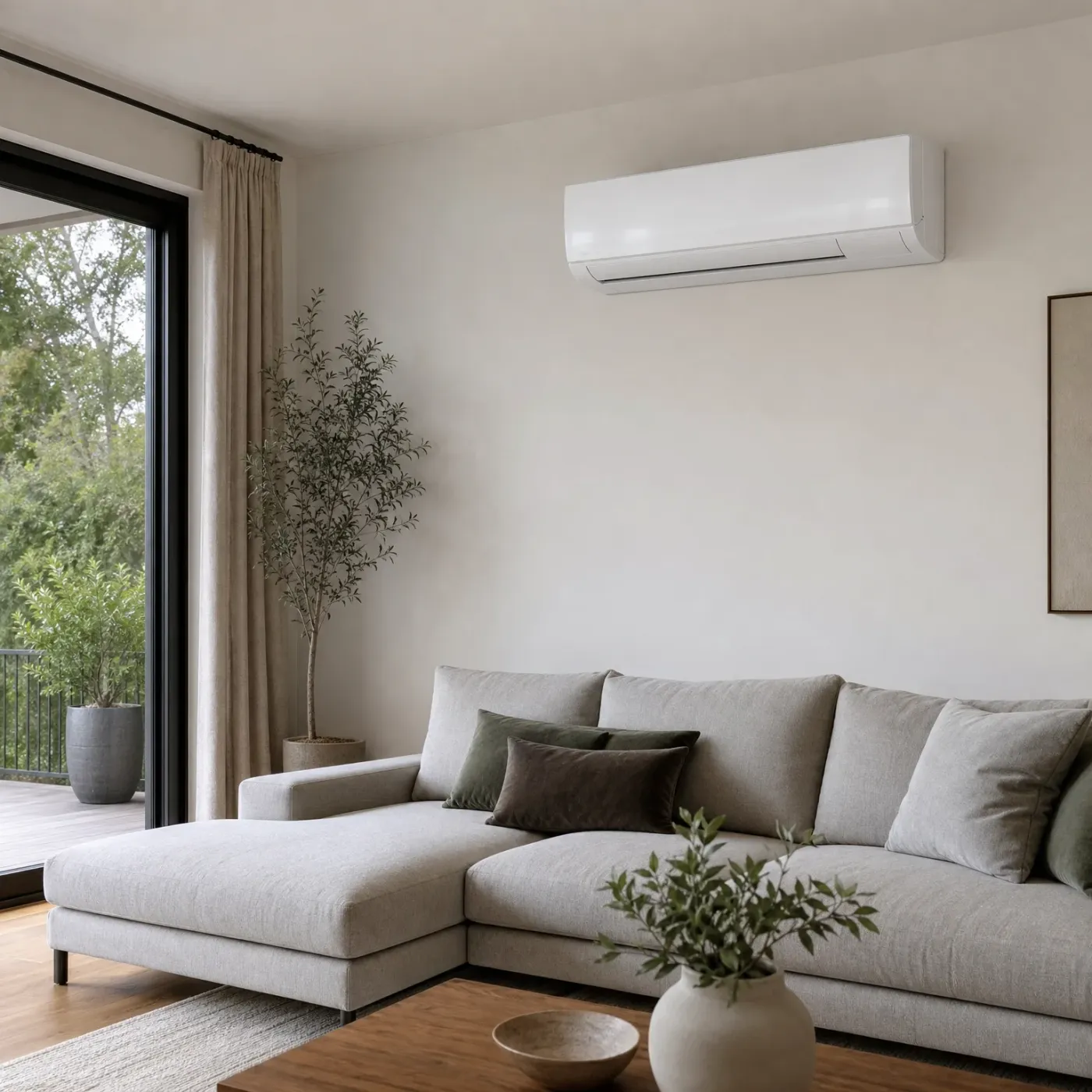
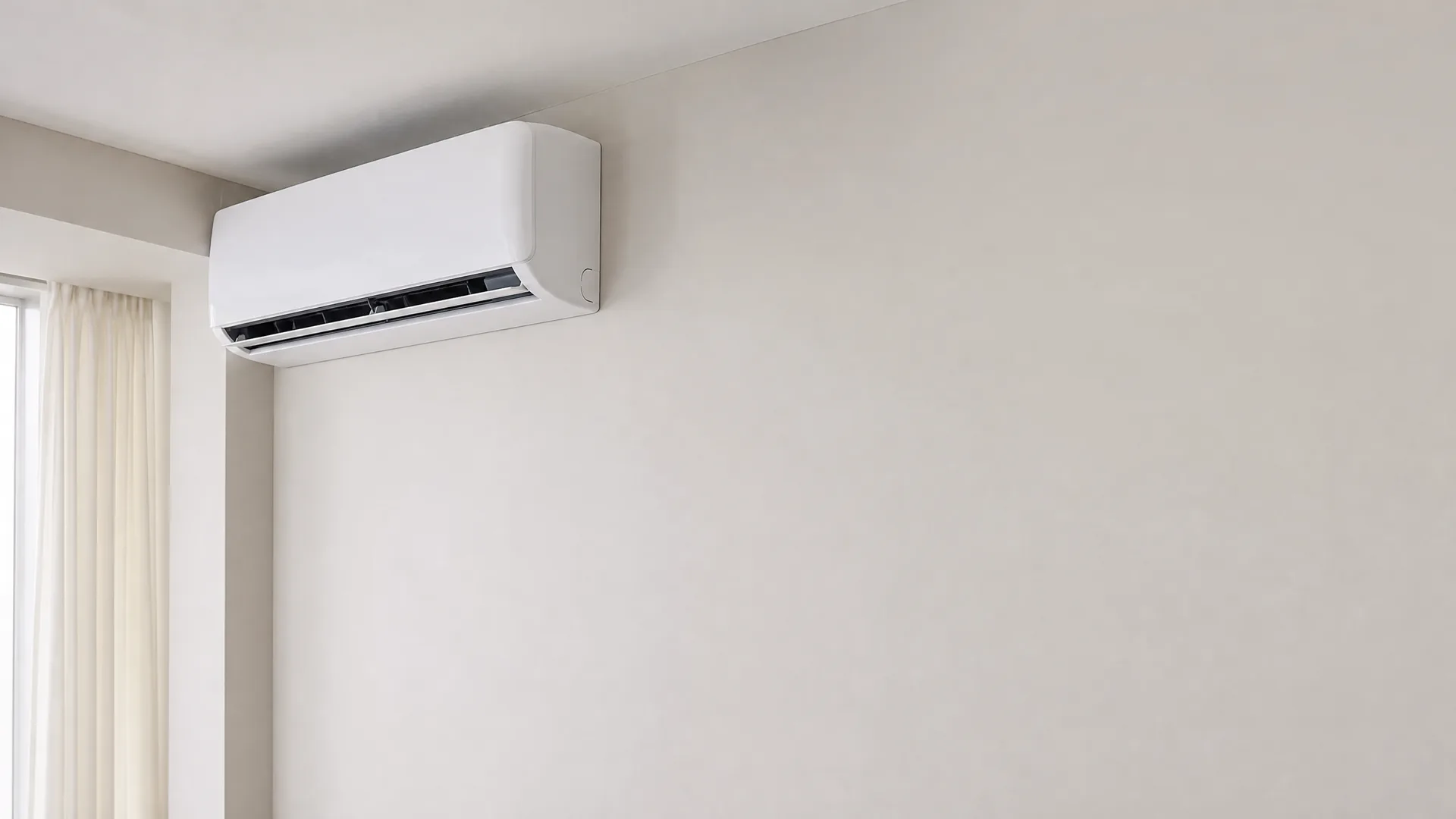
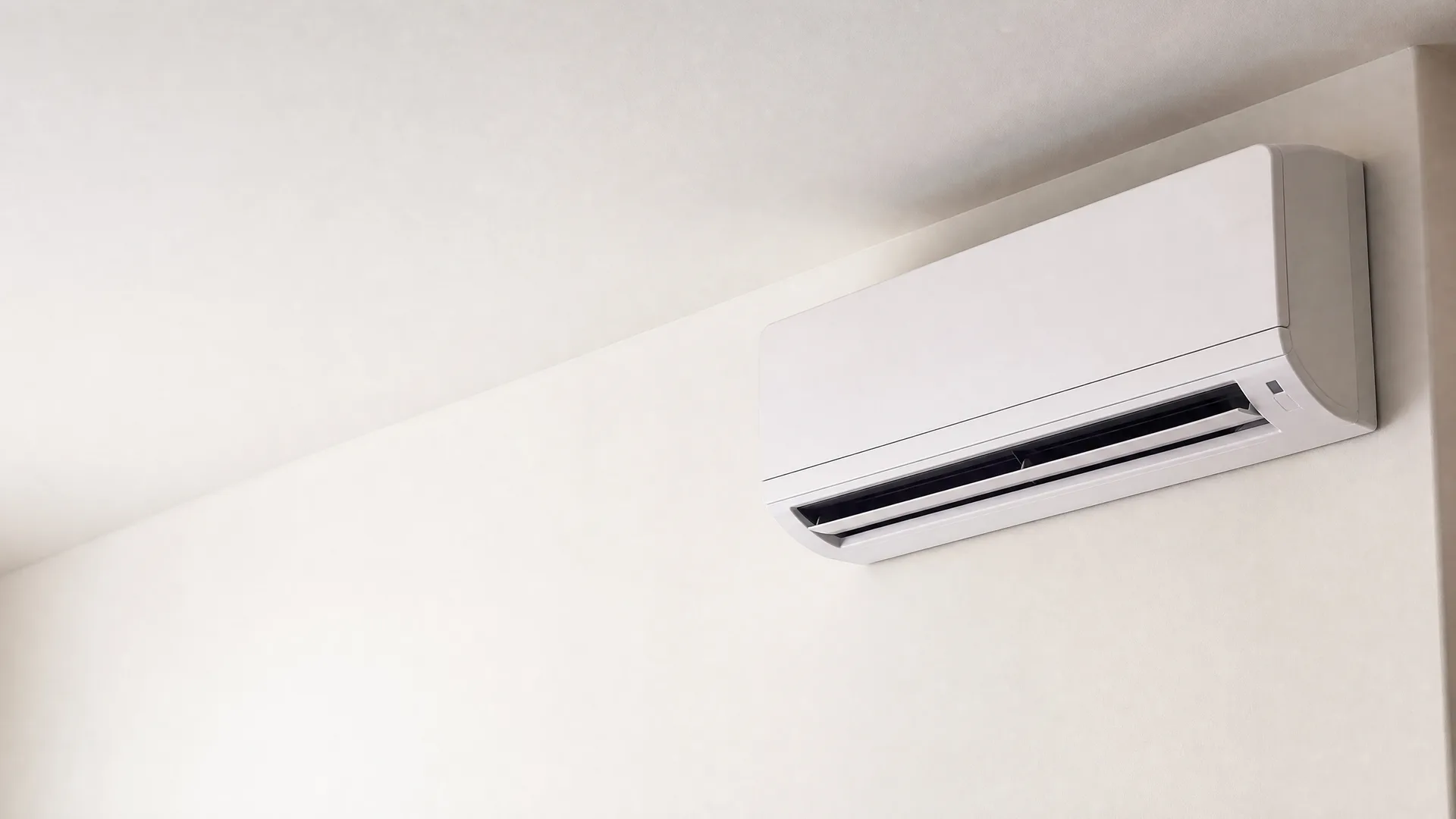
A mini split pulls its share of the cooling load without a sound worth noticing. The room it covers stays even, the unit cycles on its own schedule, and the wall it hangs on stays clean. That's what correct sizing and a clean installation buy you.
What years of Arizona summers do
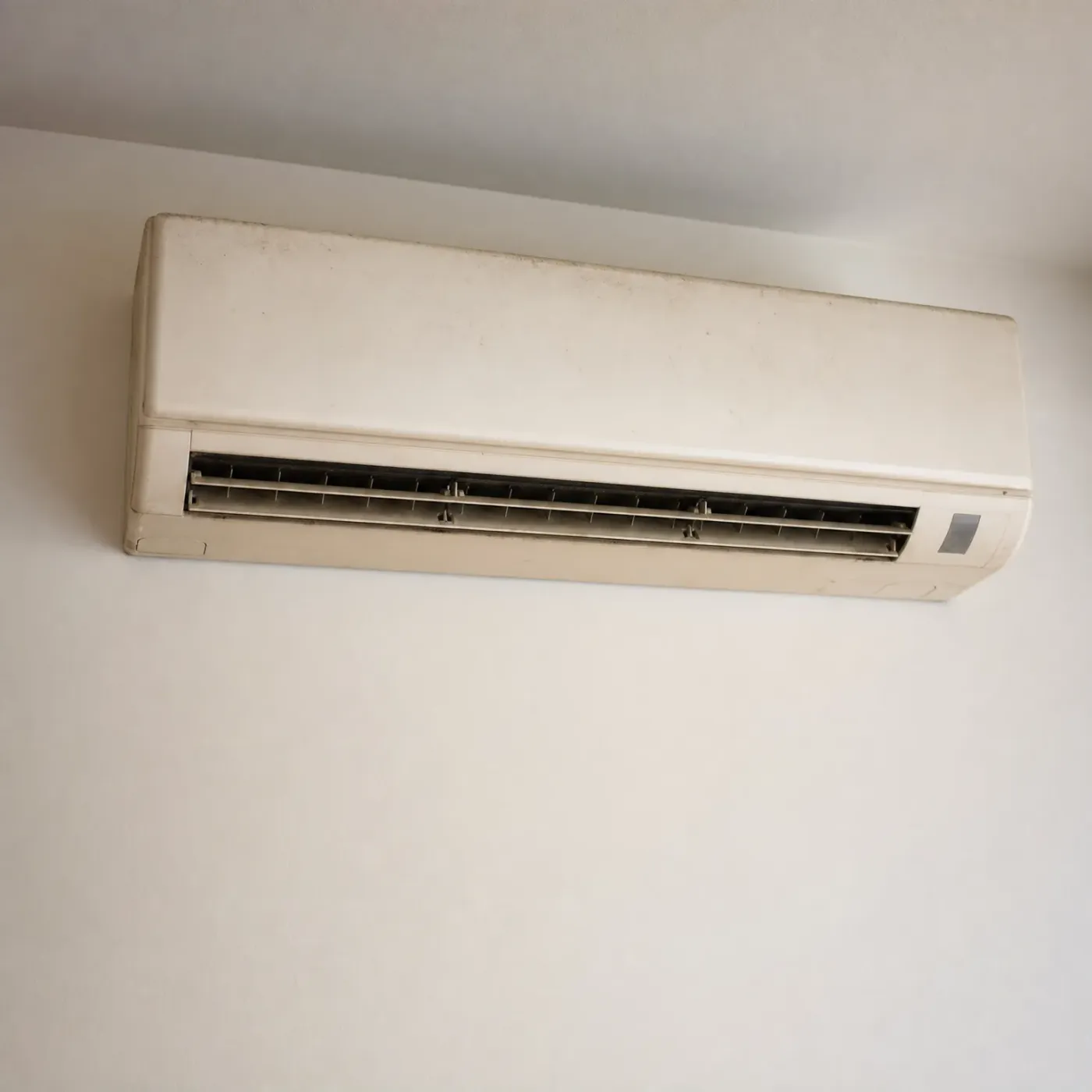
Dust works into the casing and the plastic yellows from years of heat and sun. A unit that looks like this is usually still running, but it's worth asking whether it's cooling the way it did when it went in, or just running longer to get there.
It's off your list after this
One installer gets your project, so there's no bidding war over it.
One request ends the search for a mini split installer.
Asking costs nothing, and the choice to hire stays yours.
One Room or the Whole House
One mini split, one room
A single zone handles the room or garage that stays hot, and the furnace keeps running the rest of the house all winter.
Installation means one line set, one outdoor unit, and one indoor head, which keeps the job and the price contained.
The furnace's ductwork stays exactly as it is, since the mini split runs on its own refrigerant lines and never touches the vents.
You get cooling in the one space that needed it without resizing or rebalancing anything the furnace already does.
If only a converted garage or a bonus room runs hot, this is the smaller job and the one that answers that problem directly.
Multi-zone for the whole house
One outdoor condenser can run several indoor heads, so a multi-zone system can cool more than one problem room at once.
The furnace still carries the winter mornings, and the mini split zones carry whichever rooms run hottest from April through October.
More zones means more line sets and more indoor heads, so the install takes longer and the outdoor unit has to be sized for all of them together.
A contractor has to size each zone to its room, not just split one number evenly, or some rooms end up overcooled while others stay warm.
This is the route worth asking about if the furnace's ducts have always left more than one part of the house uneven.
How the two systems divide the work
The furnace heats air and pushes it through your ducts. A mini split moves heat instead of making it, pulling warmth out of the room's air in summer and sending it outside. Because it doesn't share a duct run with the furnace, it can sit on its own thermostat and its own schedule. One system never waits on the other, so a change in one room doesn't touch how the rest of the house heats.
Why the outdoor unit placement matters
The outdoor unit needs a clear spot against an exterior wall, away from dryer vents and direct afternoon sun where it can, since it's working hardest on the summer days you need it most. A short line set between indoor and outdoor units runs more efficiently than a long one, which is part of why the room it serves, not the whole house, decides where it goes.
Power costs 15.26 cents per kilowatt-hour statewide
At 15.26 cents per kilowatt-hour, running a mini split in that one room costs about what you'd expect for the size of the space, not the whole house. Since it only conditions the room it's mounted in, you're paying for the square footage that actually needs it.
EIA-861 2025 statewide residential average
One Room, Two Systems, No Conflict
A mini split and a furnace run on separate systems, so adding one changes nothing about how your furnace heats the rest of the house.
One outdoor unit and one indoor head cover the single room or garage that needs it, without touching your ductwork.
The furnace keeps handling winter mornings while the mini split takes over cooling for the space it's mounted in.
Sizing the unit to the room and installing a clean line set are what keep it running quiet and even.
Since the mini split only conditions one room, the cost on your power bill reflects that square footage, not the whole house.
A mini split and a furnace don't compete for the job, because they're not doing the same job. The furnace is still what gets your house through a cold morning, and it won't notice the mini split is there. What the mini split takes on is the one room, garage, or converted space that's been hot and hard to cool, and it does that on its own, with its own outdoor unit and its own line set run to a single indoor head. Nothing about the installation touches your ducts or your furnace's wiring, which is why the two systems can sit side by side without any work between them.
Sizing matters more than anything else in how this turns out. A unit matched to the room runs quiet, holds an even temperature, and cycles on its own schedule instead of straining. A clean install, one line set, one head, keeps the job simple and keeps the wall it's mounted on looking like it was always there.
On the power bill, you're paying for one room, not the house. At 15.26 cents per kilowatt-hour, that's the cost of conditioning the square footage the mini split actually covers. Put plainly, you get a furnace for winter and a mini split for the one space that needed its own answer, running separately, each doing what it's built for.
Mini Split Installation
Stop chasing a mini split pro
Only one pro gets your request, so you hear from one company.