Sized right, it covers the house
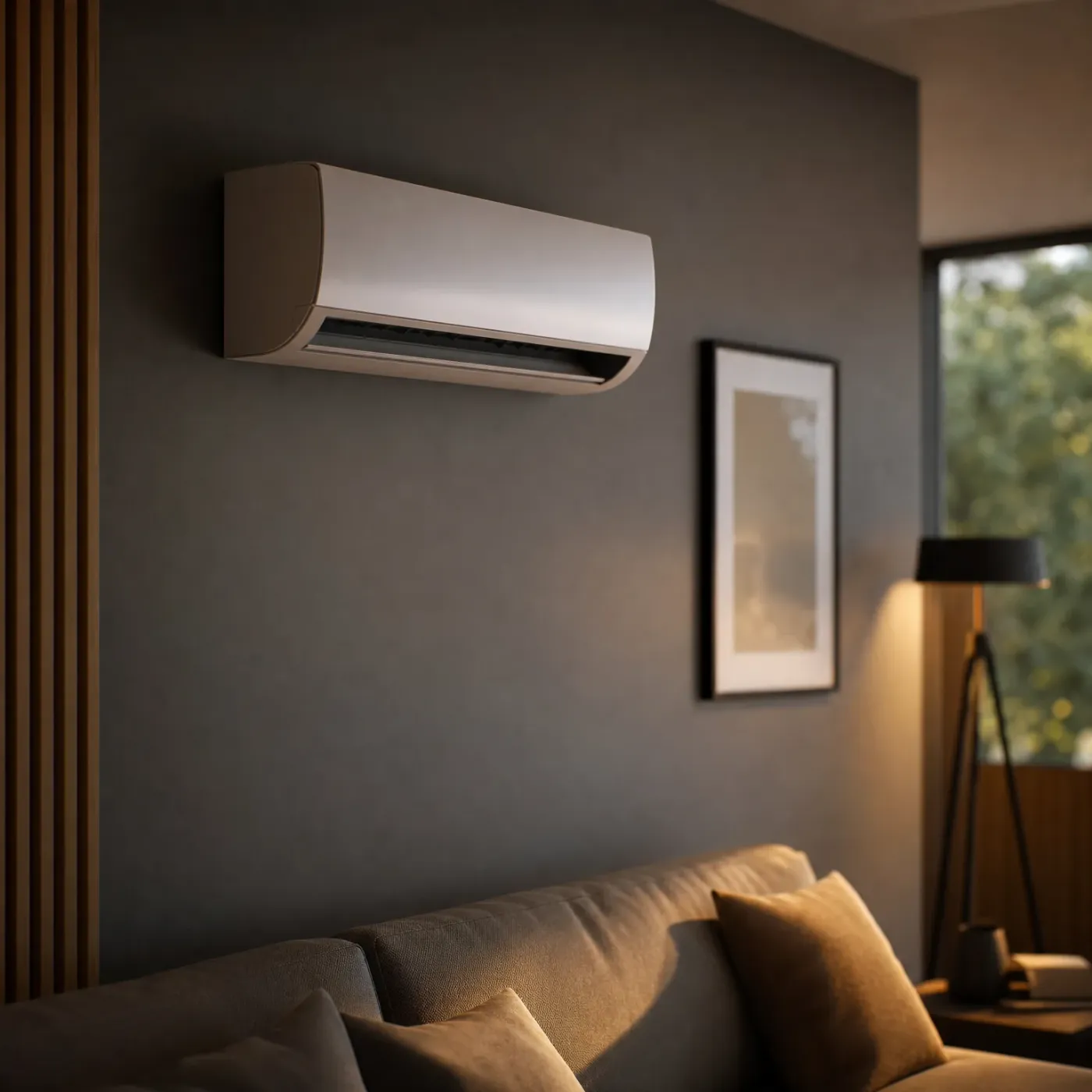
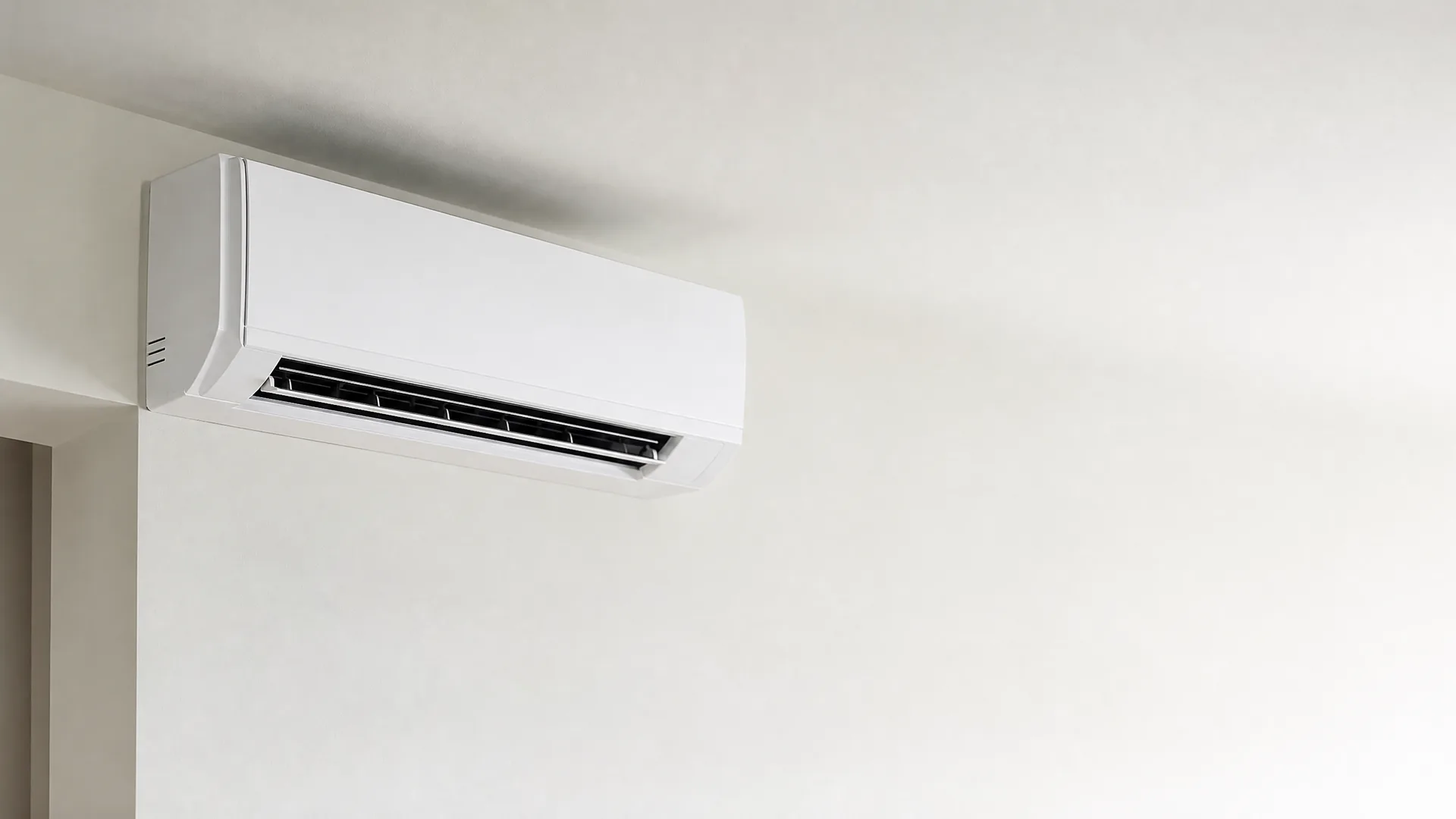
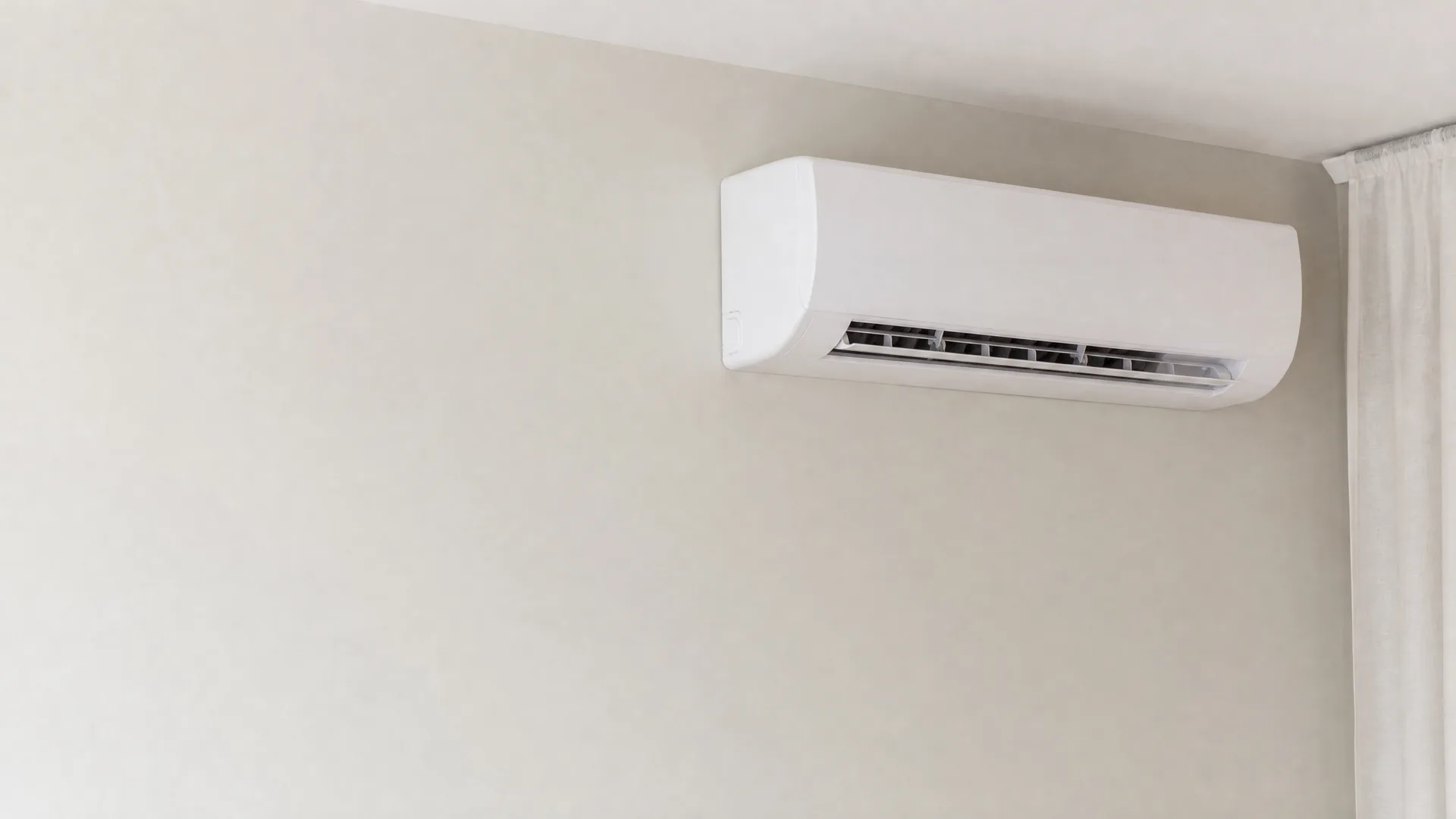
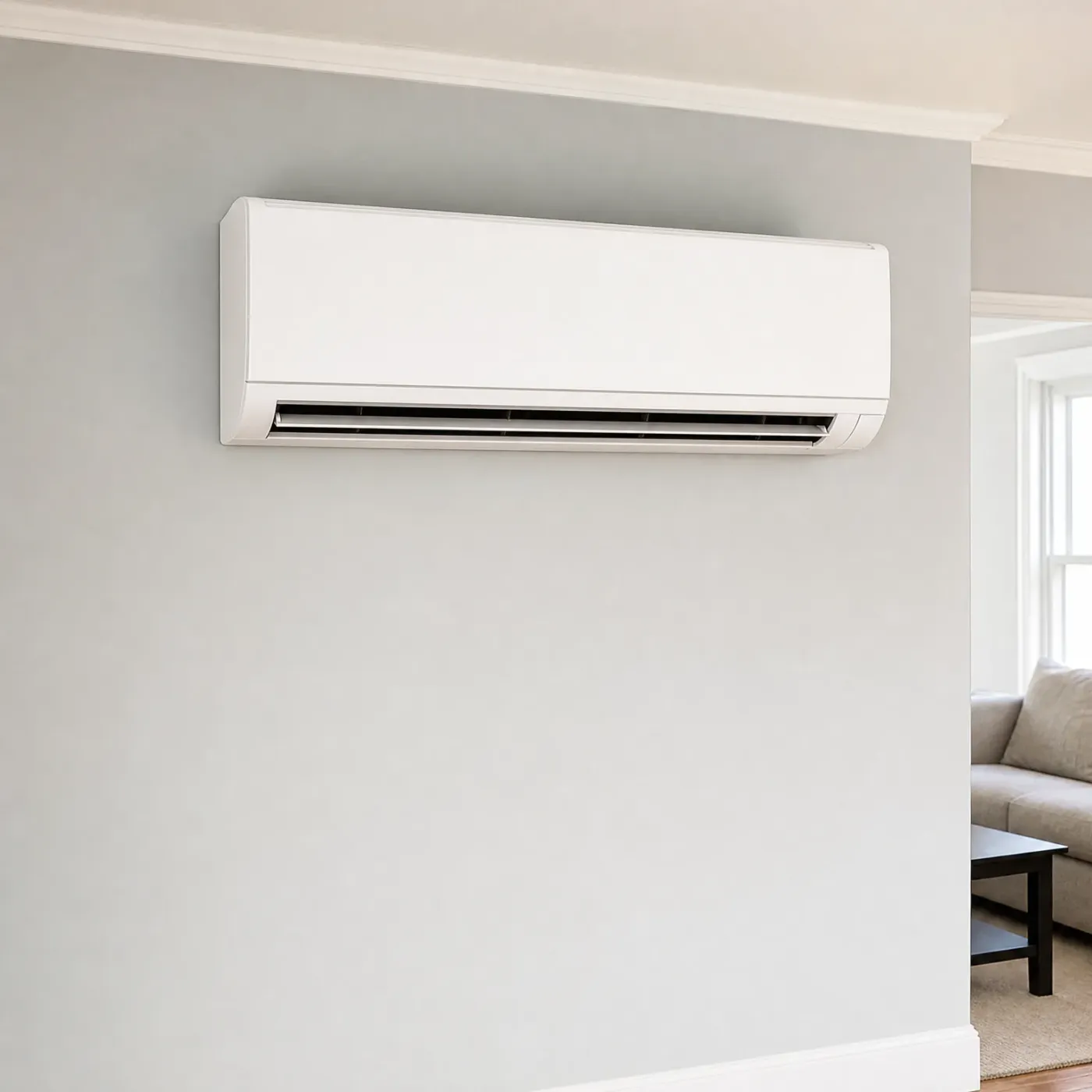
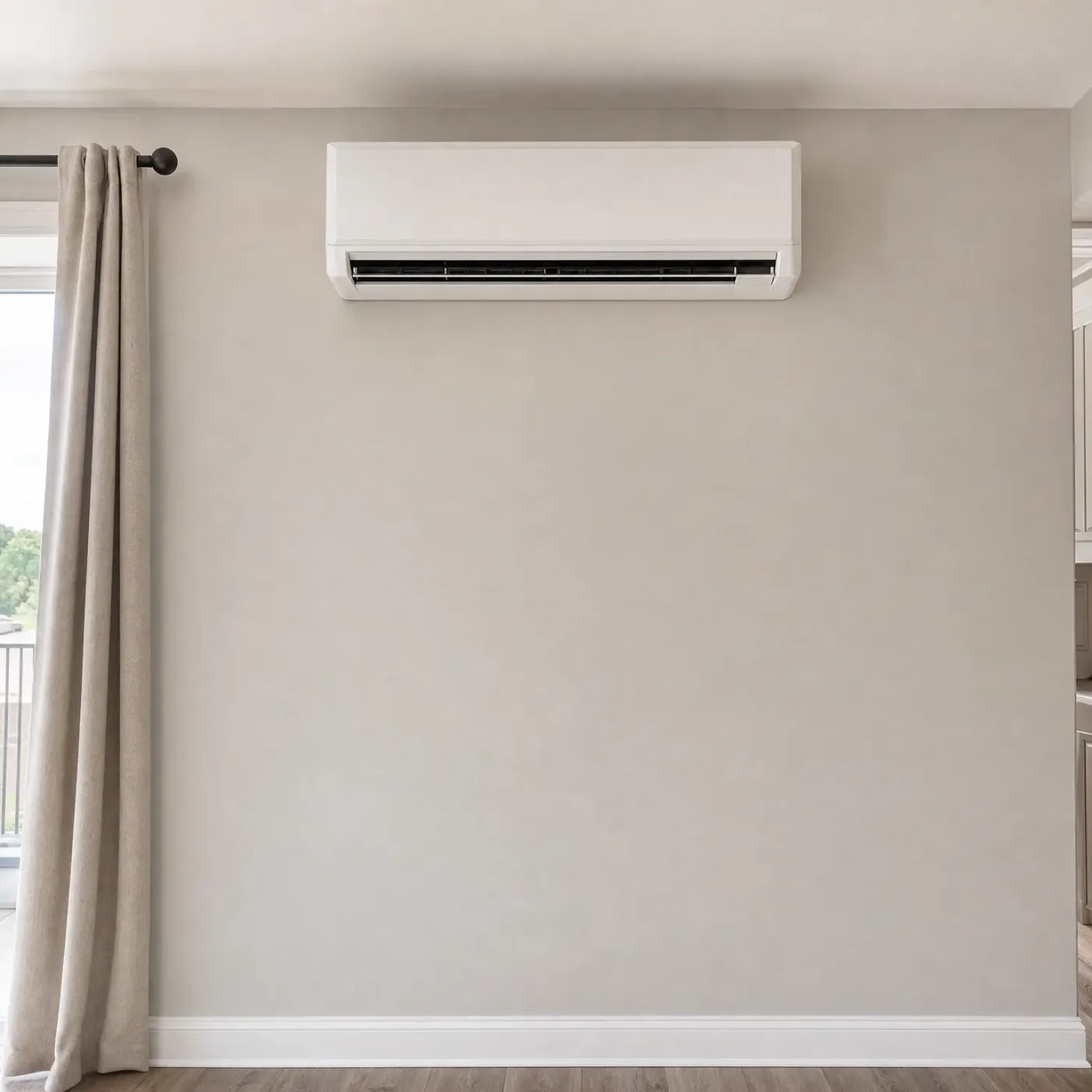
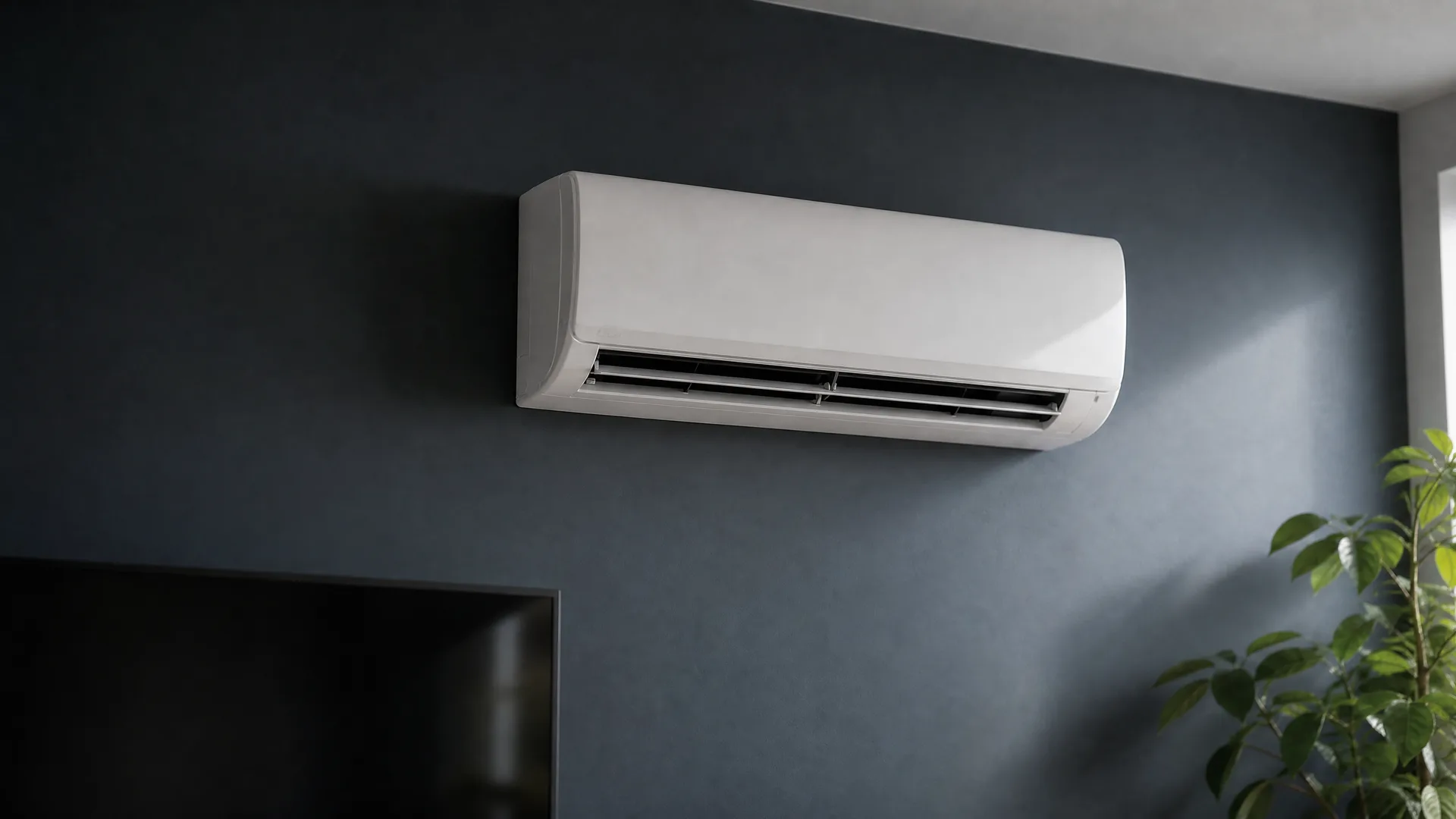
On a cold desert morning this is what a mini split should look like: quiet, clean, keeping the room at temperature without strain. A unit sized for your home won't need backup heat to get through winter here.
Let someone else find the pro
Winters in Arizona are mild, but a mini split still has to cover every cold morning on its own if it's your only heat. That depends on the unit, how it was sized, and your home. The page below gets into what makes a mini split enough, and what to check before you count on it. Skip the research and get matched with someone who can look at your setup directly.
I'm done searchingYes, a mini split can be your only heat in Arizona, and for most homes here it does the job fine. Winters are mild enough that the heat pump inside a mini split doesn't have to work as hard as it would somewhere with real cold snaps, so it isn't fighting to keep up on the coldest mornings. Most homes here already heat with electricity, so you aren't giving up a gas furnace to do it. What matters more than the climate is whether the unit was sized for your home and placed so the heat actually reaches the rooms you use. A mini split that's too small for the square footage, or one serving a layout it can't cover, will leave some rooms cold no matter how mild the winter is outside. Get the sizing and the setup right and it can carry your home through winter on its own.
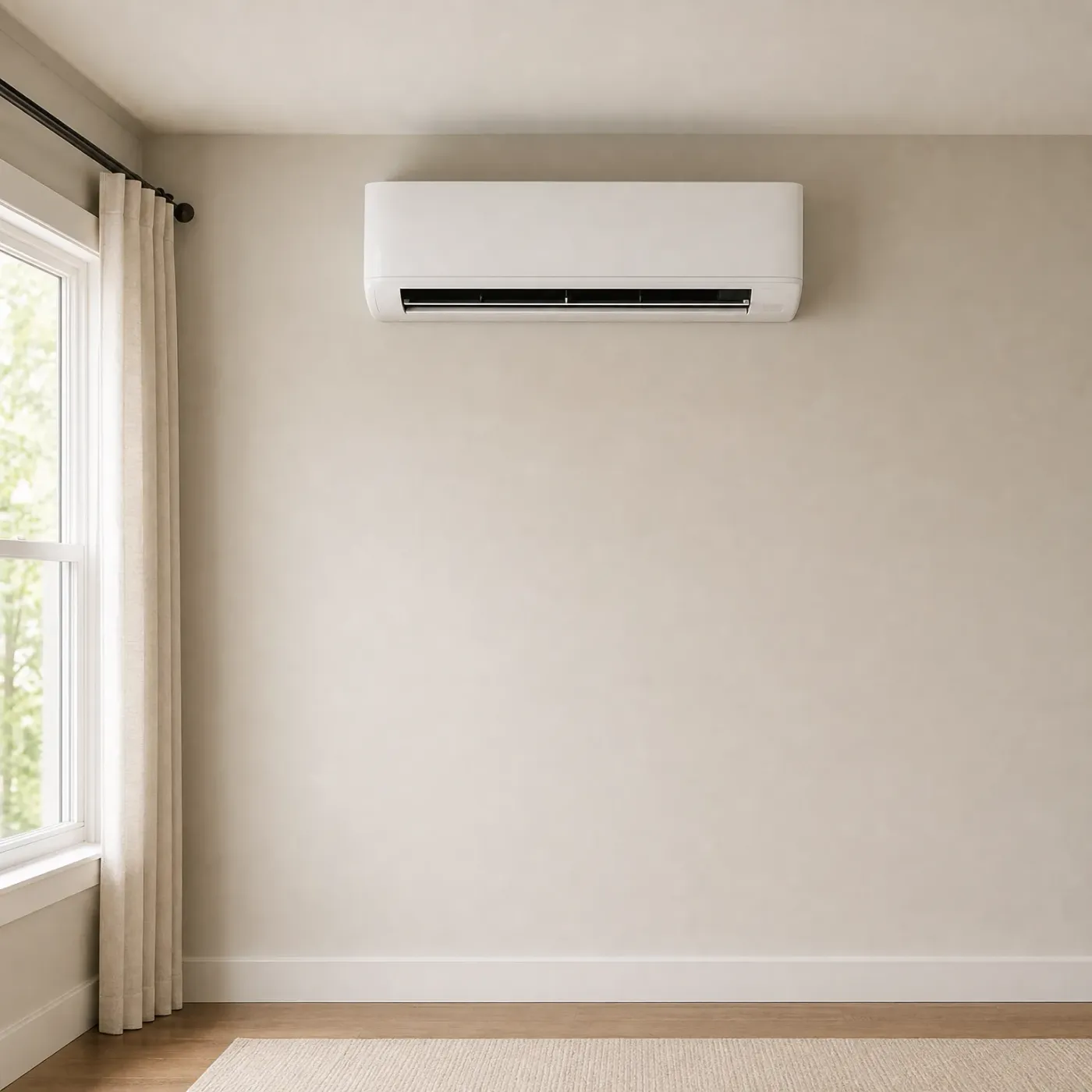
On a cold desert morning this is what a mini split should look like: quiet, clean, keeping the room at temperature without strain. A unit sized for your home won't need backup heat to get through winter here.
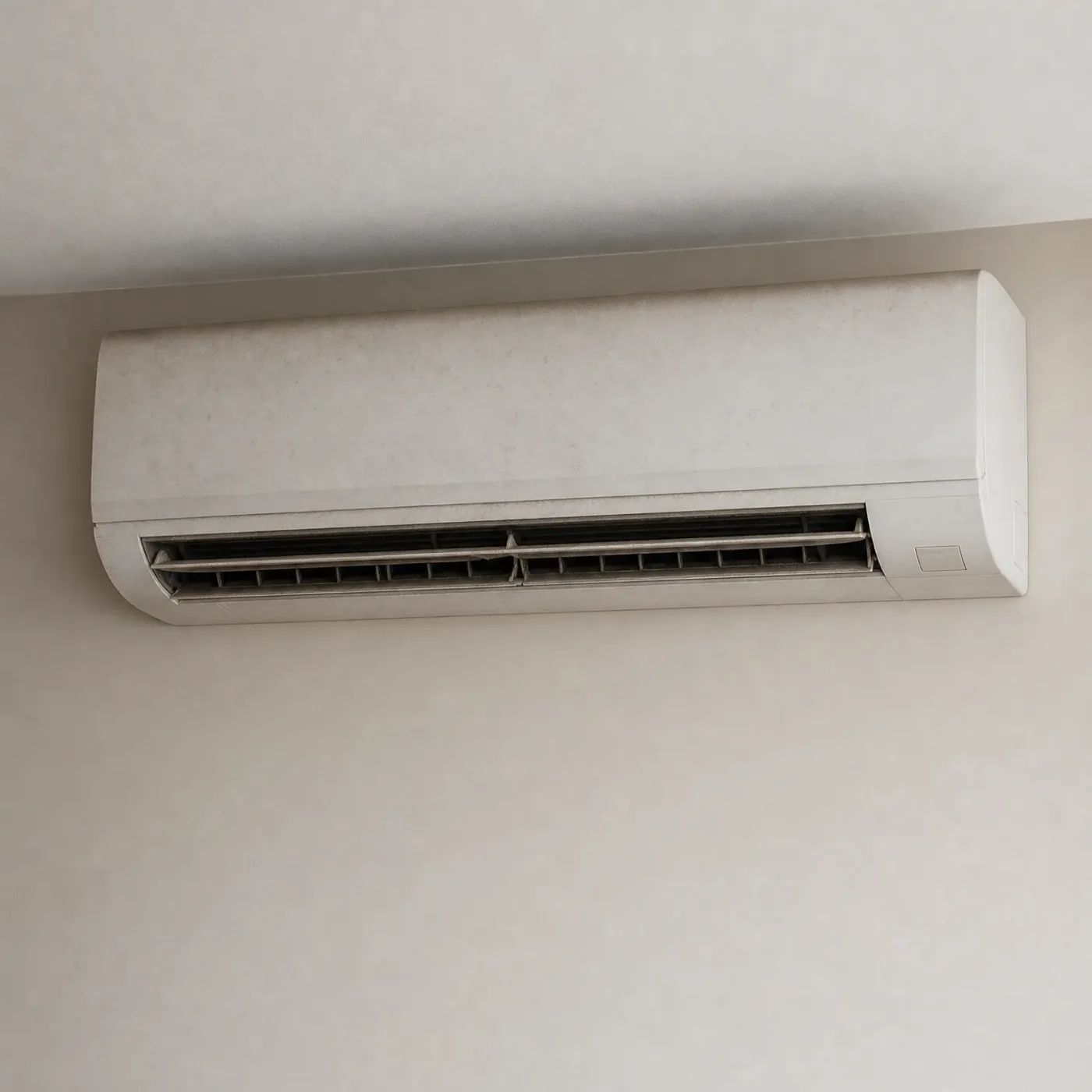
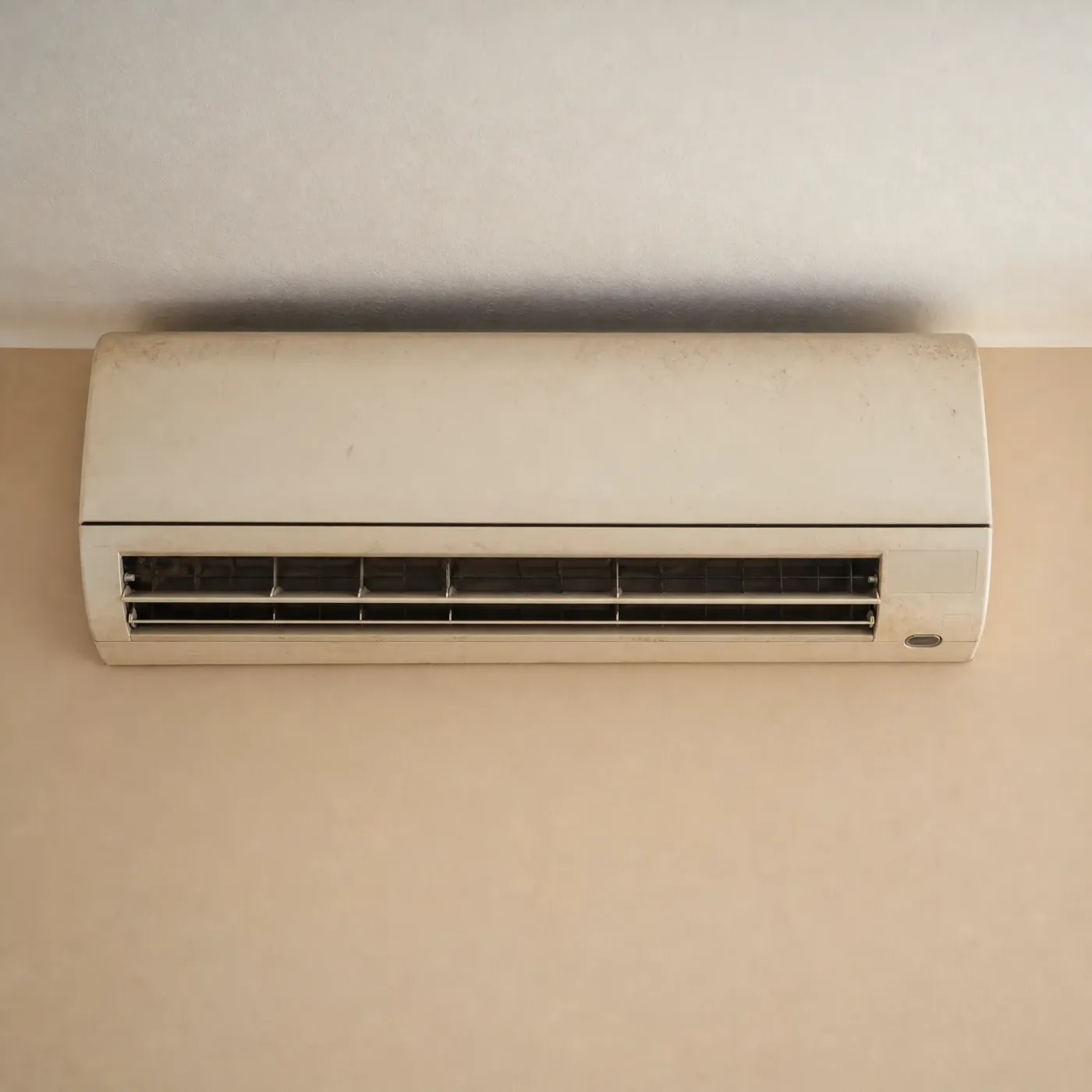
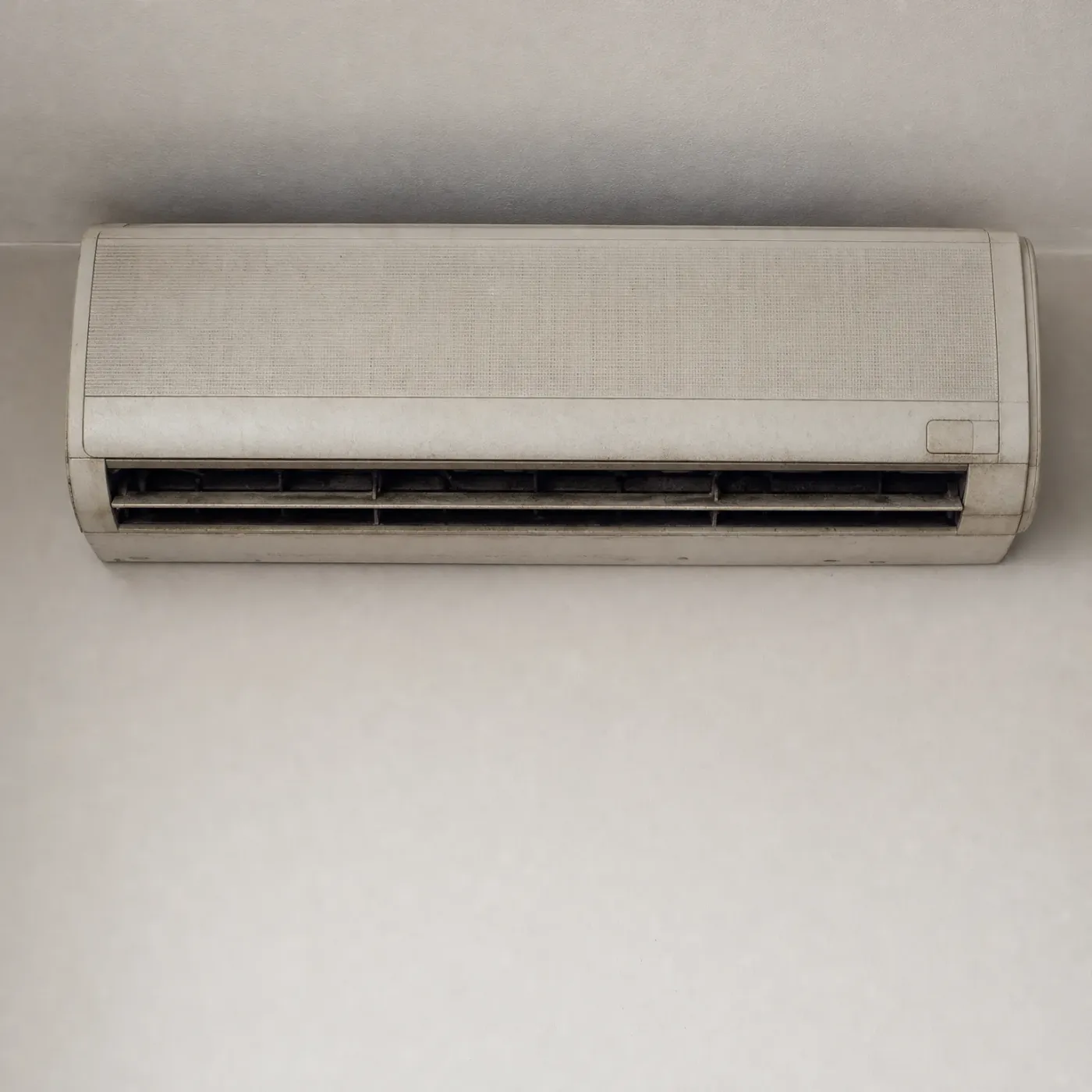
A mini split caked in dust across the casing and vents is pulling more power to put out less heat. Left alone, it can struggle to keep up on the colder nights even though Arizona winters rarely demand much from it.
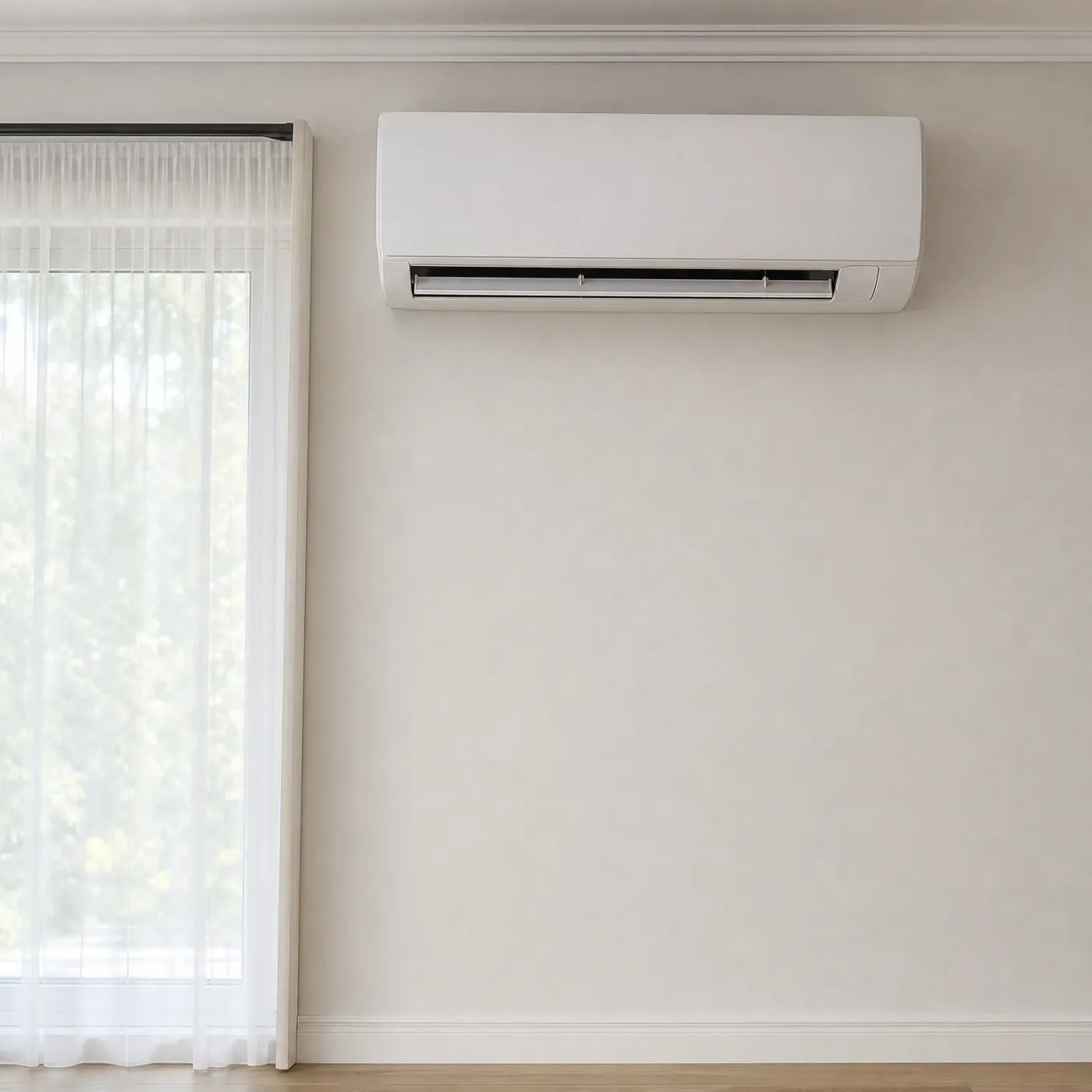
This is a mini split doing its job, warming the room without strain on a cold Arizona morning. A clean filter and clear vents let it move the heat it makes. That keeps the unit from running longer than it should to hold the temperature you set.
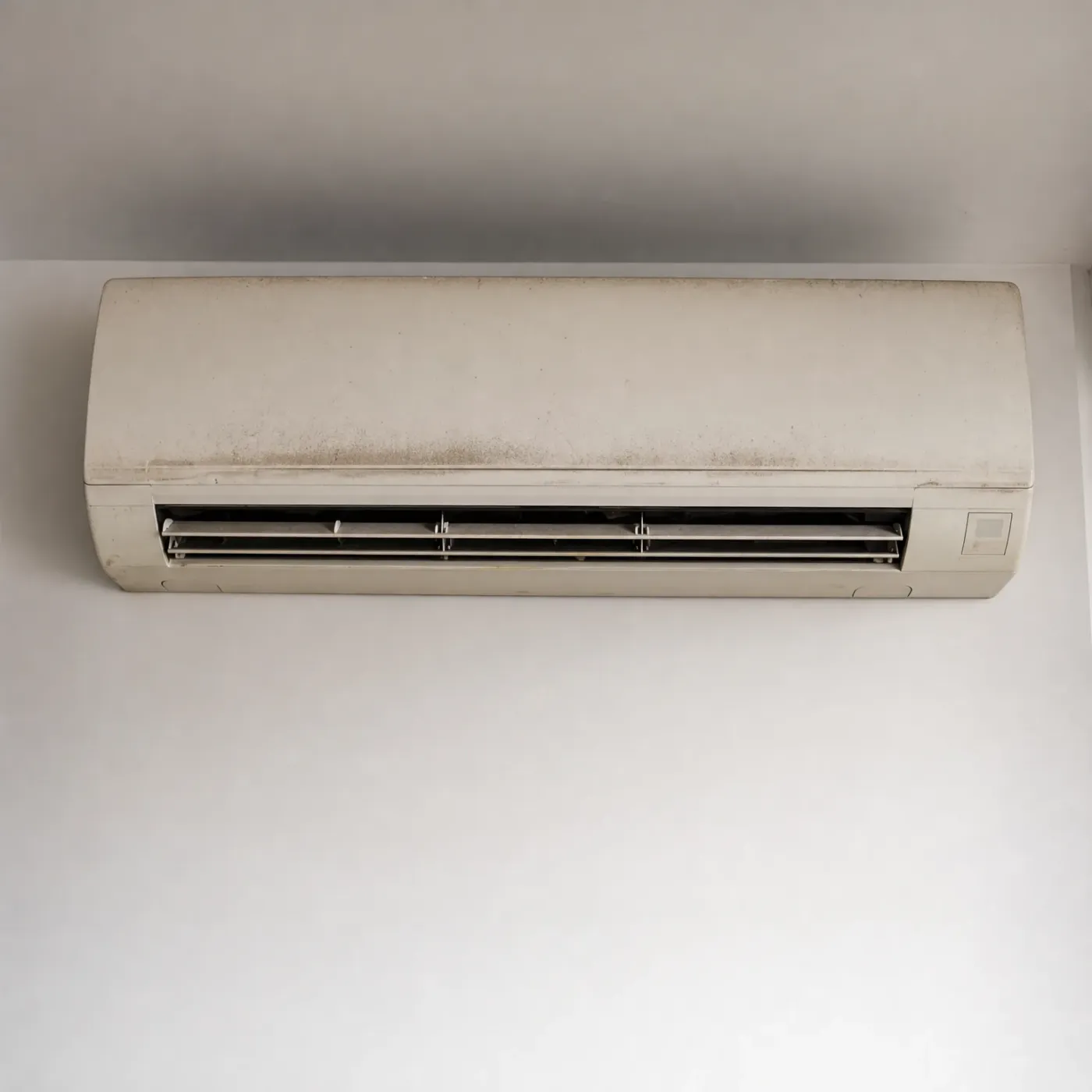
A mini split caked with dust like this is working against itself. The grime over the vents blocks airflow, so the unit draws more power to push out the same heat. Left alone through another winter, it strains harder for less warmth.

A mini split that's too small for your house will tell you early. It'll run the whole cold morning and still leave the room a few degrees short, or it'll kick on and off more than it should trying to catch up. You'll notice it most in the room farthest from the indoor unit, and on the mornings that dip the coldest. That's not a sign mini splits don't work as a sole heat source in Arizona. It's a sign the sizing or the install didn't match your home.
Figuring out whether that's what's happening in your own house, and whether the fix is a different unit or just a better install, isn't something you can tell from searching around online. It means getting someone out to actually look at the space, the insulation, where the unit sits, and tell you straight whether it's enough. Finding that person usually means calling a few contractors, explaining the same thing each time, and sorting through estimates that don't quite match. Send the form here and that part's done. You'll have someone qualified to look at your house, without doing the legwork of finding them yourself.

A mini split doesn't burn anything to heat your home. It pulls heat out of the outside air, even cold air, and moves it inside through the refrigerant line. Below a certain outdoor temperature that process gets harder, and the unit has to run longer to hold the room steady. Arizona mornings rarely drop low enough to push a properly sized unit past that point, which is why the heat pump side of a mini split can carry a house here without backup.
Every mini split has a heating capacity listed in BTUs, and that number drops as the outdoor temperature drops. Manufacturers publish that falloff on a performance chart for each model. A contractor sizing your install checks that chart against the coldest mornings your area actually sees, not the summer design temperature. That's the number that decides whether the unit keeps up on its own or struggles on the few sharpest mornings of the year.
You'd notice it first thing, before the coffee's done. The room not quite at the temperature you set it to, or close but taking longer than it should to get there. The unit running steady instead of cycling off once it's caught up. Maybe a draft near the floor if the house isn't holding what the mini split is putting out. None of that means it's broken. It usually means the unit is undersized for the space, or the room it's in isn't the room that needs the most heat. Left alone, you end up running it harder than it was built to run, morning after morning, all winter.




Skip collecting and comparing quotes for the new mini split.
No fee to send it, and nothing to sign.
A single mini split can heat a whole small house if the layout lets the air move room to room, like an open floor plan or a home without a lot of closed doors. Once you've got a hallway and three bedrooms behind closed doors, one indoor unit in the living room won't reach the back bedroom on a cold morning. That's what pushes people toward a multi-zone setup, one outdoor unit running two or three indoor heads, each one covering a room on its own. It costs more upfront than a single zone, but it means every room gets heated directly instead of hoping warm air finds its way down the hall.
Most homes going mini split only in Arizona won't need anything else, but a backup source still has a place for some. If you've got one zone covering a large open area and a smaller room that runs cold, a space heater in that room on the worst mornings covers the gap without resizing the whole system. Homes at higher elevation, where mornings drop further than they do in the valleys, sometimes keep a small backup for the same reason. It's not a sign the mini split failed. It's just a second tool for the one or two rooms or mornings where the main system needs a hand.
Before: calling a few HVAC companies, waiting on quotes, trying to figure out who actually knows mini splits in Arizona, and explaining your house to each one.
After: the form's sent and the search is done. Someone who installs these for a living takes it from here, and you've got one less thing on your plate tonight.
Most homes here heat with electricity, so your mini split's winter cost lands straight on the same rate as everything else you run. At 15.26 cents a kilowatt-hour, that's a typical price, nothing to plan around or dread.
EIA-861 2025 statewide residential average
Summer air in Arizona sits around a 47°F dew point, averaged across June, July and August from NOAA data for where homes here are. That's dry air, and dry air is easy air for a mini split's coil to pull moisture out of, which isn't the hard part of its job. Winter is a different task, since the same unit is now pulling heat out of cold air instead of wringing moisture out of dry air. Dry summer air says little about how it handles a cold morning. What matters for that is sizing, covered below.
NASA POWER T2MDEW county cells weighted by homes


A mini split can be your only heat here, and for most Arizona homes it will be. Winters don't ask much of it. The cold mornings that come through December and January are mild compared to what a heat pump has to fight in other parts of the country, so the unit isn't working past what it's built for. What decides whether it actually covers your house is sizing and layout, same as it's been throughout this page. A unit matched to your home, in a space where the air can move room to room, can hold the whole house at temperature without backup heat. Split the house into rooms behind closed doors and one unit stops being enough, you'd need one for each space that needs its own heat. Keep the filter clean and the vents clear and it keeps working the way it was installed to, without straining for the same warmth. Let dust build up and you'll hear it try harder for less. If the sizing was wrong from the start, the coldest mornings are when you'll know, the room never quite catching up to the set temperature. Getting that part right from the beginning is what decides whether this works for you. That's a question for someone who installs these for a living, not a few hours of searching and comparing quotes on your own.
Done looking for a mini split pro
