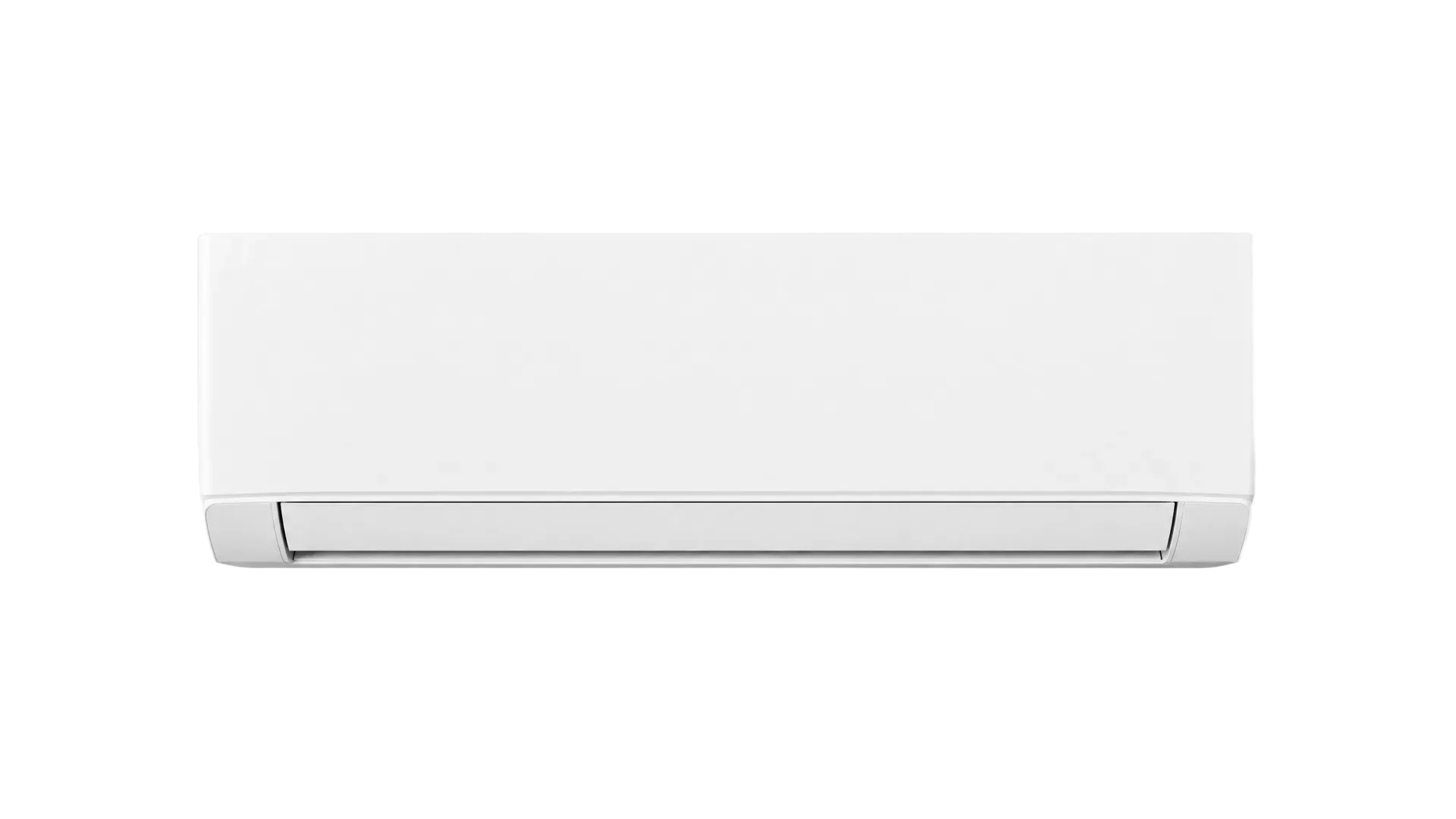
A mini split costs less to run than baseboard heat almost everywhere in Arizona, including here. Baseboard heaters work by pure electric resistance, turning electricity straight into heat at a one to one rate. A mini split moves heat instead of generating it, so it can put out several times more heat than the electricity it uses. Since most homes here heat with electricity and power prices are typical rather than low, that difference in efficiency is what decides the bill, not the weather. Arizona winters are mild enough that a mini split rarely has to work hard to keep up, which keeps its advantage over baseboard intact through the season. The gap shows up most in the months you actually run heat, and in a place where summers are hot and dry, the same mini split is also doing your cooling the rest of the year. Getting that efficiency depends on the unit being sized and installed correctly for your home.
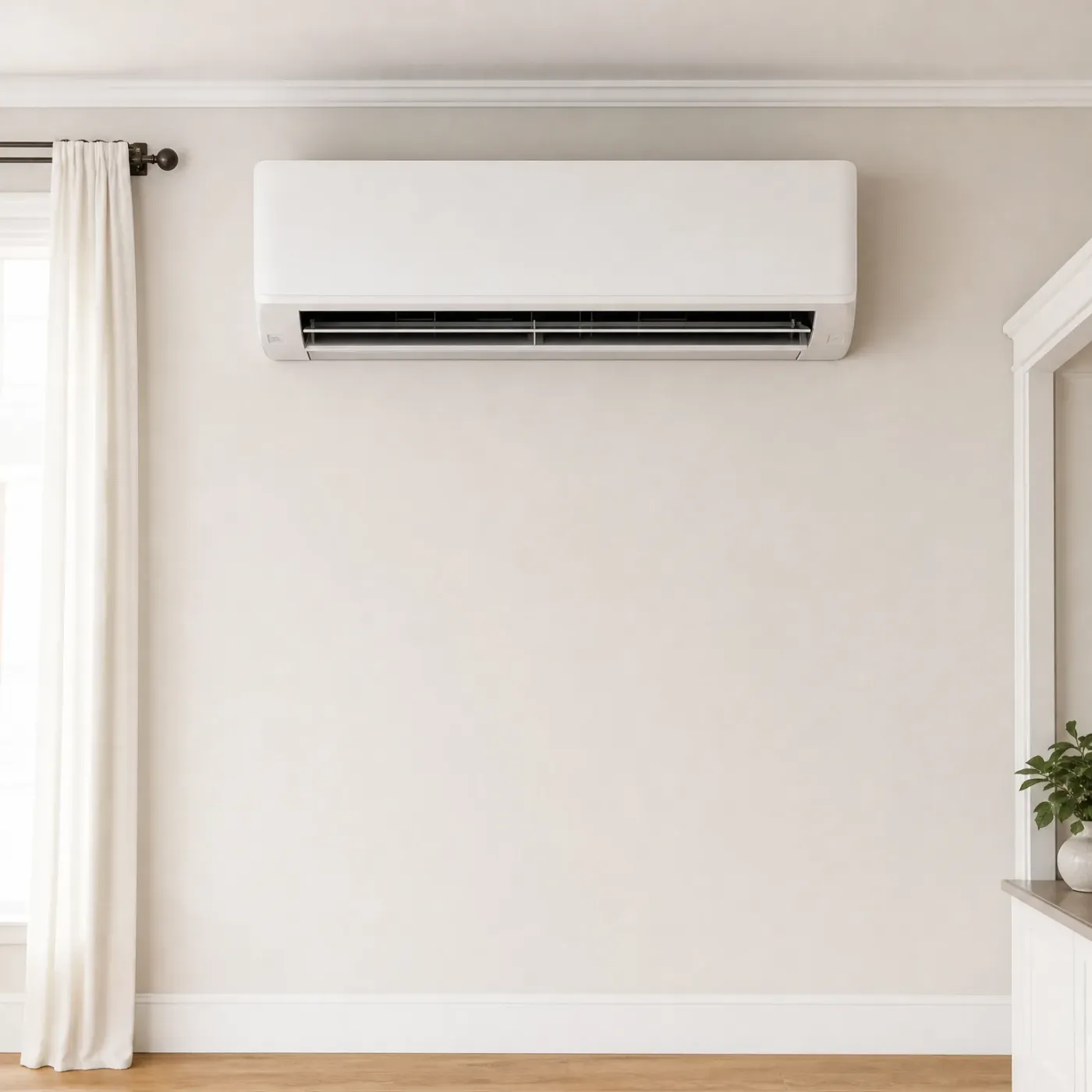
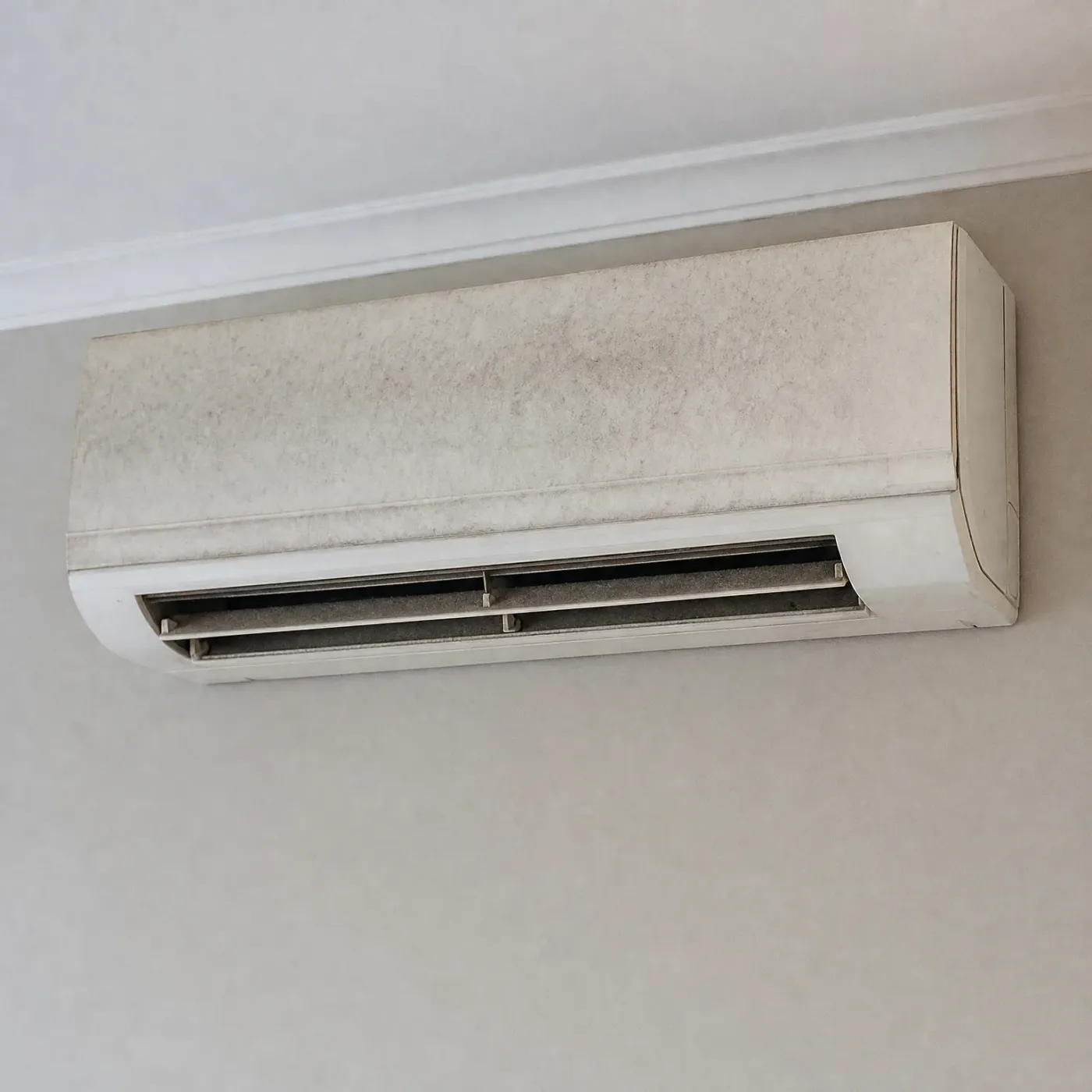




Why is your electric bill still so high
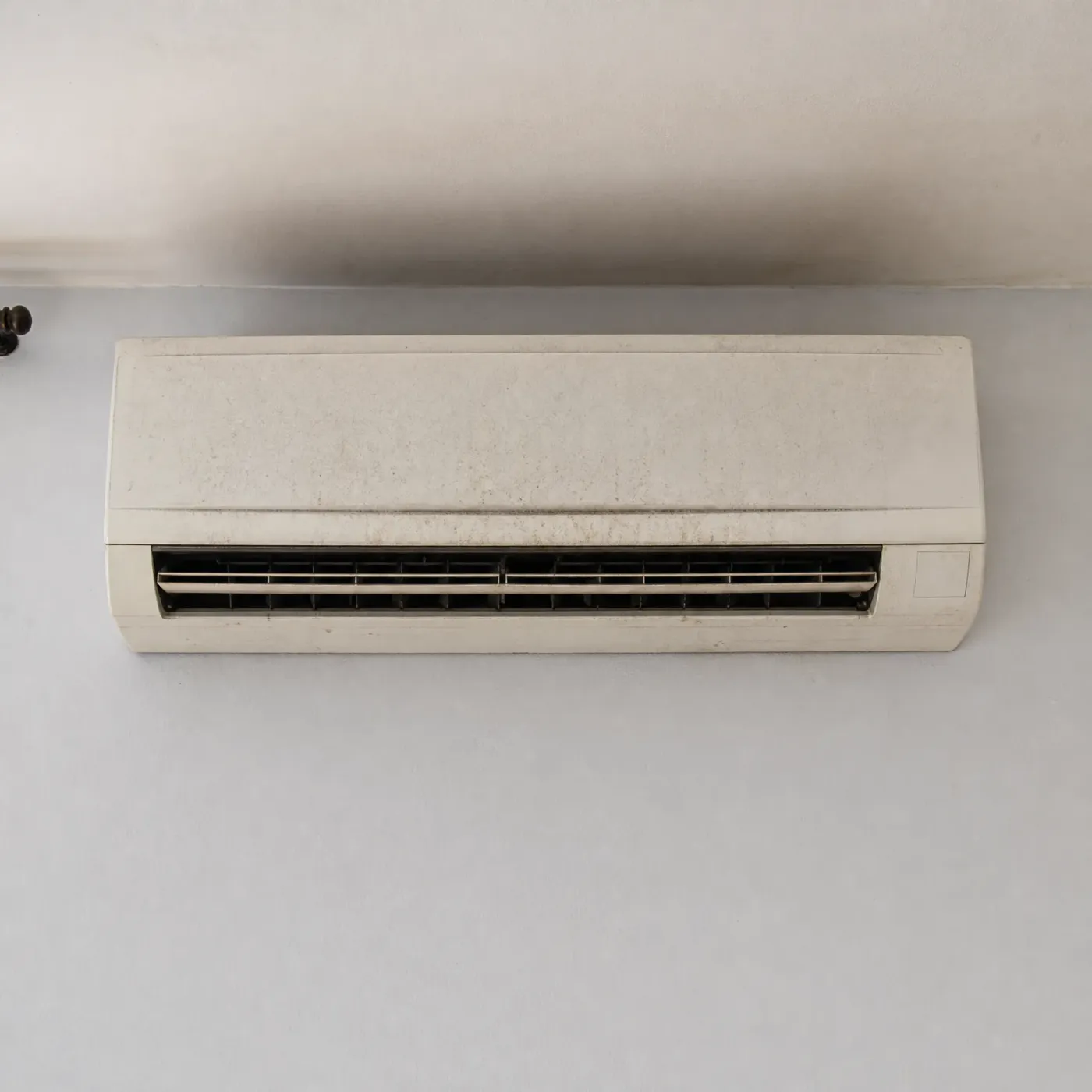
If your mini split is running all winter and the bill still looks like a baseboard bill, something's off. Check the indoor filter. If it's gray or clogged, the unit has to run longer to push out the same heat, and that gap in efficiency is exactly what you're paying for. Listen for it running almost constantly instead of cycling on and off. Look at the outdoor unit too, if it's buried in dust or sitting too close to a wall, it can't pull heat from the air as well as it should. None of this breaks the system overnight, but it chips away at the savings a mini split is supposed to give you over baseboard, month after month.
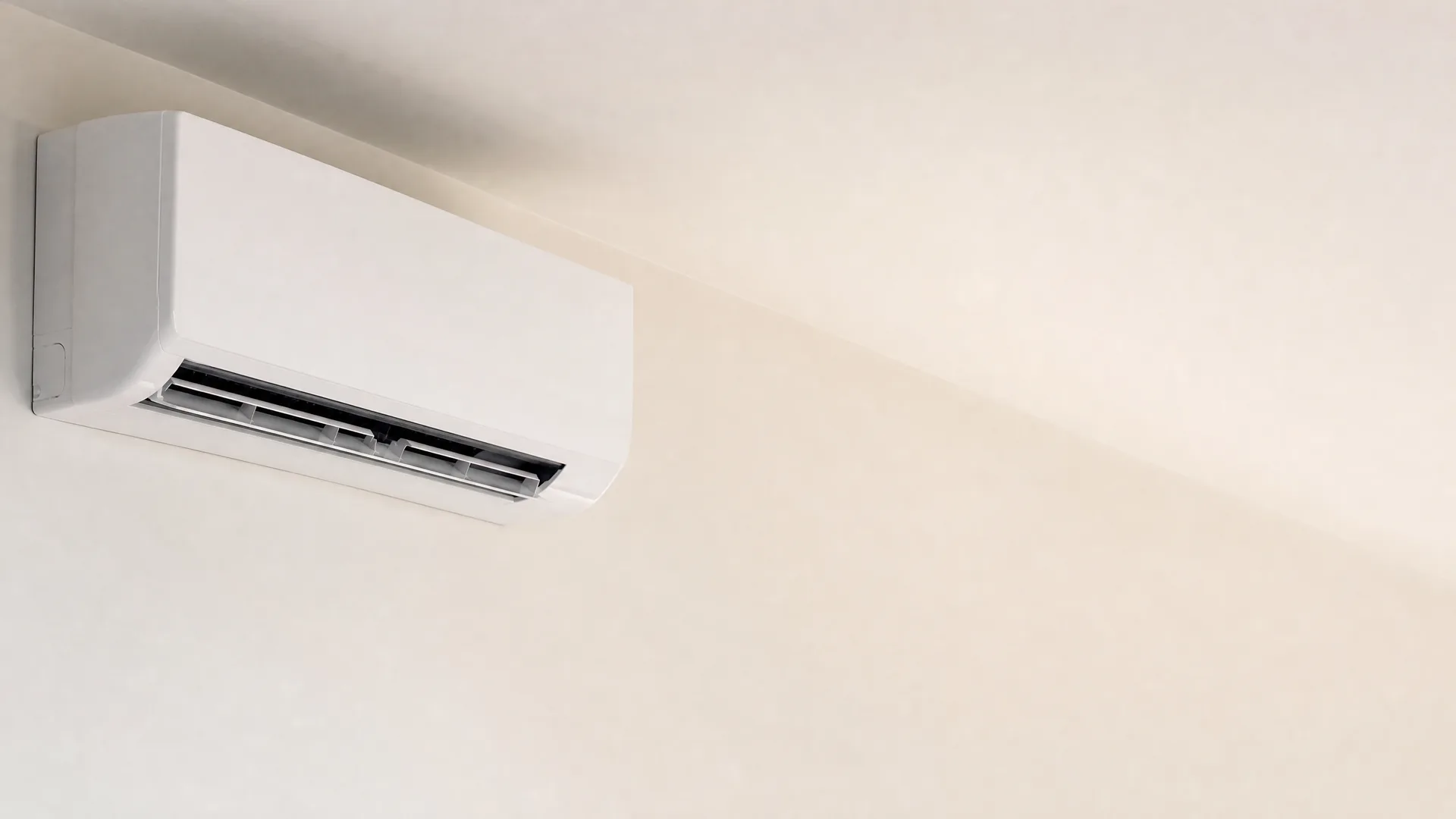
How a mini split moves heat
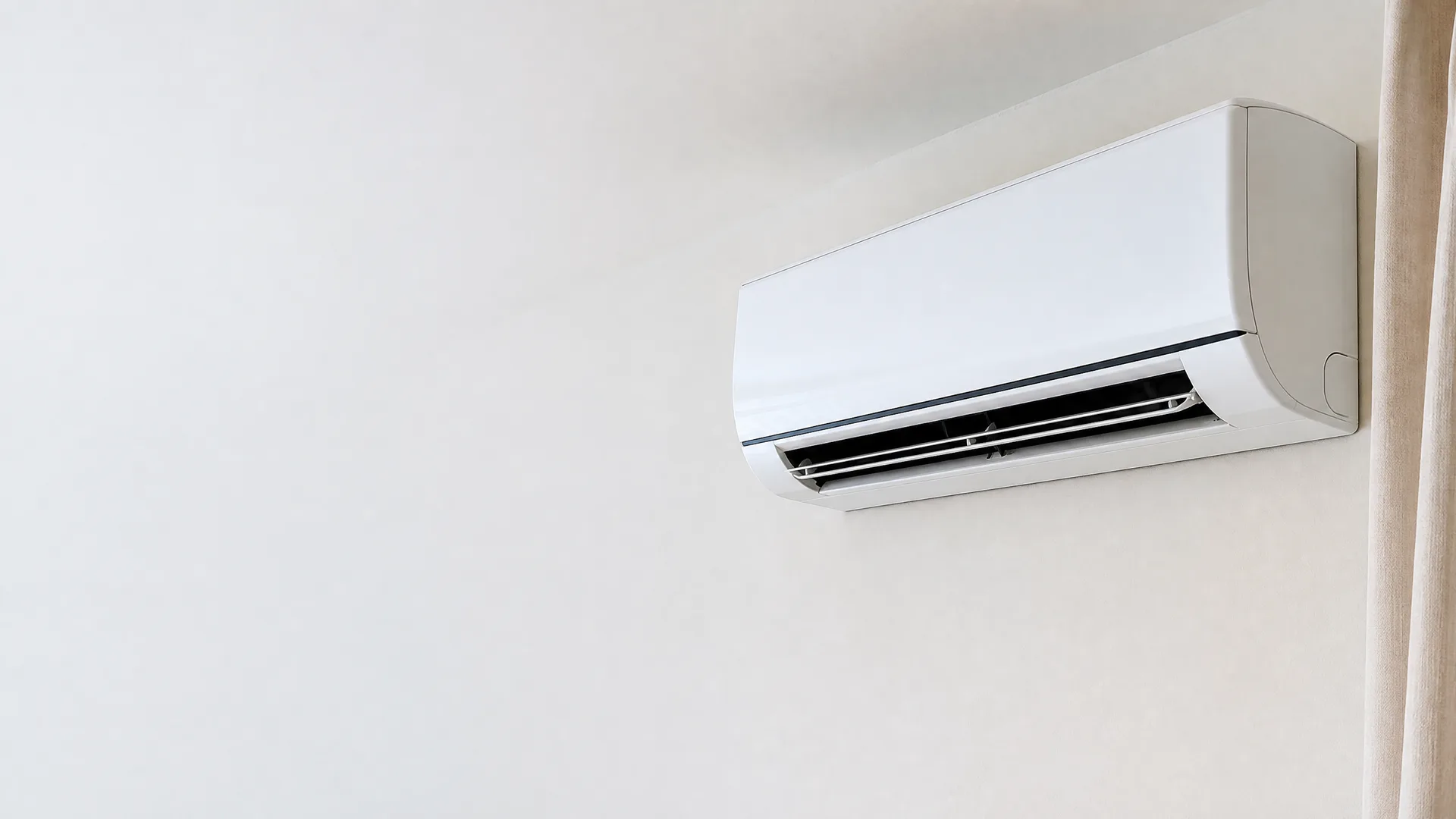
A mini split has an outdoor unit and an indoor head connected by refrigerant lines. In winter it pulls heat out of the outside air, even when that air is cold, and carries it inside through the refrigerant. For every unit of electricity it uses, it can move several units of heat. That's why it costs less to run than baseboard, which only ever makes one unit of heat for one unit of electricity, no matter how well it's kept.
Why setup affects what you pay
The size of the mini split matters as much as the technology behind it. One sized too small for the room it heats will run constantly trying to catch up, and the savings shrink. One sized too large will cycle on and off more than it should, which wears on the compressor over time. A contractor who installs these year-round in Arizona homes sizes the unit to the room and sets the refrigerant charge correctly, which is what lets it hold the efficiency that makes it cheaper than baseboard in the first place.
How does a mini split keep working when it's cold outside?
Arizona winters don't get brutal, but you've probably wondered how your mini split pulls heat out of air that feels cold to you. It seems backward. If you're trying to figure out whether the thing is actually working right, or just running constantly because something's wrong, it helps to know what it's doing out there in the cold rather than just trusting the thermostat number.
It uses refrigerant, which stays colder than the outside air even in winter
The refrigerant inside the outdoor unit runs colder than the air around it, even on a cold Arizona morning. That difference is what lets it absorb heat at all. Once the refrigerant picks up that heat, the compressor squeezes it, which raises its temperature well above room level, and that's what gets carried inside to the indoor head. The outdoor unit isn't fighting the cold. It's built to work in it. This is why a mini split can keep pulling heat down into the 30s and still put out warm air, as long as the coil outside stays clean and the refrigerant charge is correct. A unit low on refrigerant has to work harder for the same heat, and that shows up on the bill before it shows up as a complaint.

Refrigerant inside the outdoor coil runs colder than the outside air.
Heat from that air moves into the refrigerant.
The compressor squeezes the refrigerant, raising its temperature.
Hot refrigerant travels through the lines to the indoor head.


Send one request and you're done looking
You already know a mini split should be the cheaper way to heat your place. The math above holds up for most houses in Arizona. But that only means something if the unit is actually running the way it's supposed to. A mini split that's low on refrigerant, or has a coil caked with dust, or was sized wrong for the room it's heating, won't give you that savings even though it's the same equipment. It'll just quietly cost you more every month, and nothing about the thermostat will tell you why. If your bill doesn't match what a mini split should be doing for you, the fastest way to find out what's actually going on is to have someone look at the unit itself. A local contractor who services this kind of system all winter can tell quickly whether it's running clean or working against itself, and that answer is worth more right now than another guess.
A baseboard heater has one failure mode. The element burns out and it stops making heat. There's nothing to leak, nothing to clog, no yearly service it needs to keep doing its job.
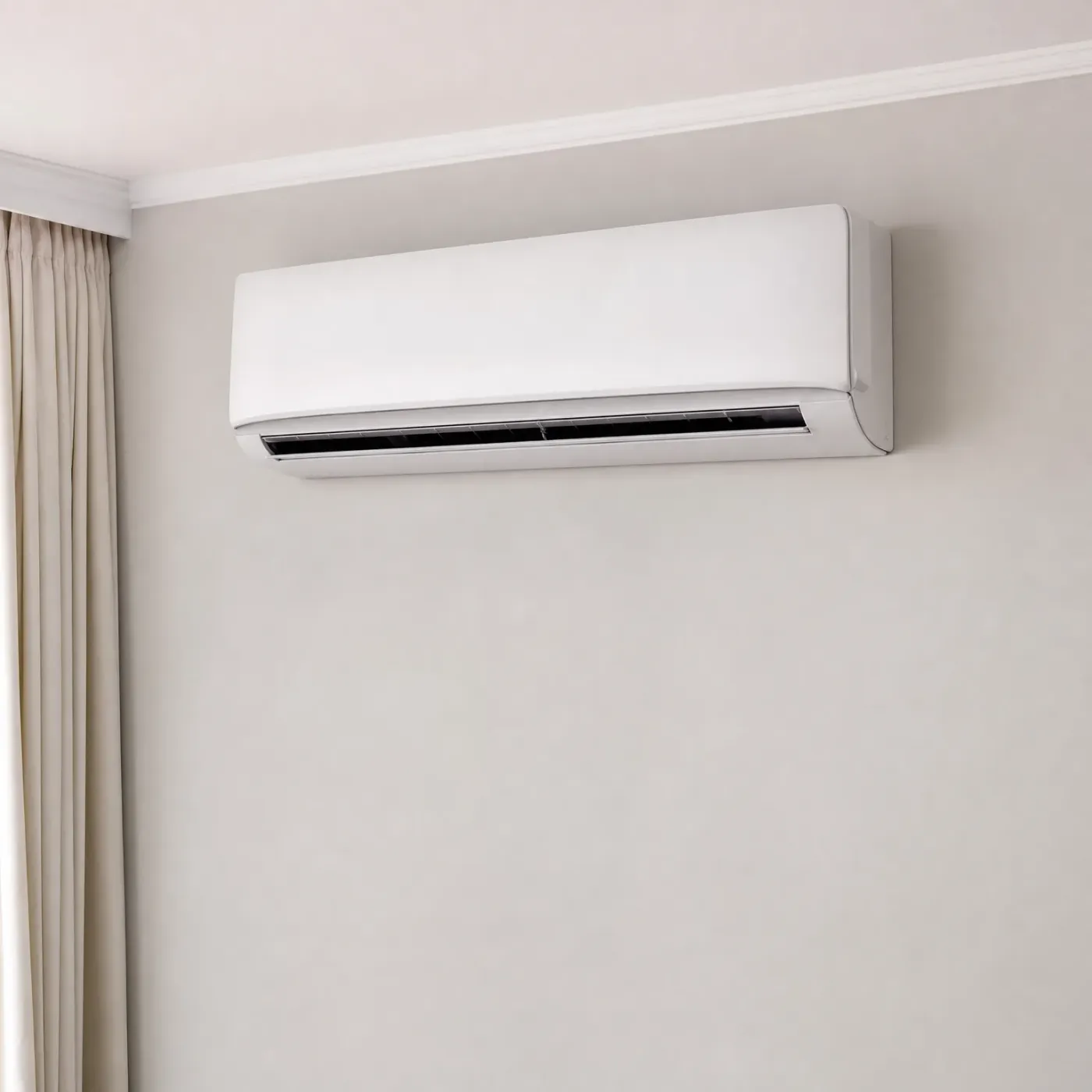
A mini split has a refrigerant charge, a filter, an outdoor coil, and a condensate drain, any of which can quietly rob it of the efficiency that makes it worth having over baseboard in the first place.
Power costs 15.26 cents per kilowatt-hour statewide
At that rate, every bit of heat your mini split moves instead of generates is money back in your pocket. Baseboard turns all of that rate straight into heat with nothing left over. A mini split can turn one kilowatt-hour into two or three times as much heat, so the same 15.26 cents buys a lot more warmth.
EIA-861 2025 statewide residential average
The Mini Split Still Wins
- A mini split costs less than baseboard heat in Arizona as long as it's installed and maintained to run the way it's designed to.
- A clogged filter, a low refrigerant charge, or a dirty outdoor coil can erase that advantage and push your bill toward what baseboard would cost.
- Baseboard heat has no efficiency to lose because it has nothing to maintain, which is its only real advantage over a mini split.
- A local contractor who services mini splits all year knows the specific things that tend to fail on these units and what to check first.
- Getting the installation right from the start is what keeps a mini split outperforming baseboard heat for as long as you own it.
- One licensed, local contractor reviewing your request means someone who already knows this equipment looks at your situation, not a pile of competing bids.
A mini split costs less to run than baseboard heat in Arizona. That's the answer. It holds because the unit moves heat instead of making it from scratch, and that advantage is real for as long as the equipment is clean, charged right, and installed the way it's supposed to be. Baseboard heat never beats it on cost. Baseboard's only edge is that it has nothing to maintain, nothing to leak, nothing to clog. A mini split has to be looked after to keep its advantage, and that starts with how it goes in.
A bad installation shows up later as a bill that looks too much like baseboard. Low refrigerant charge, a coil that never gets cleaned, a filter nobody checks. All of it chips away at the same efficiency that makes the unit worth having. None of that is inevitable. A contractor who works on mini splits in Arizona year-round has seen what tends to go wrong with these units and what a correct installation looks like from day one. That's the person who should be setting yours up or servicing the one you have.
When you send a request through this page, it goes to one contractor, licensed and local, not a batch of companies competing for the job. Someone who already knows this equipment looks at your situation directly. That's what keeps a mini split doing what it's supposed to do, for as long as you own it.
Finding a pro stops being your job
One installer gets your project, so there's no bidding war over it.