Tell us about the job
Takes about a minute. No obligation.
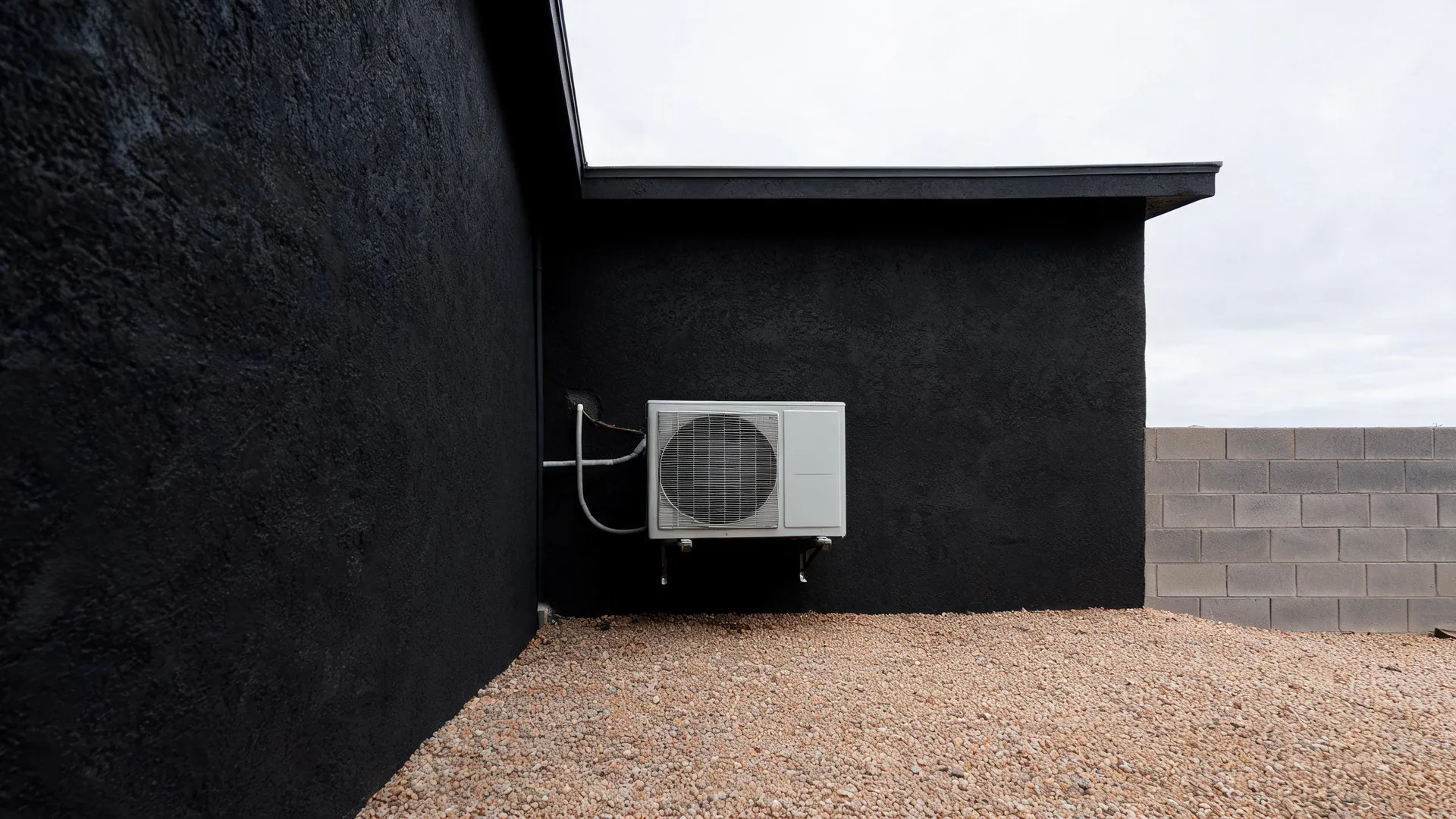
The compressor in a mini-split starts and stops hundreds of times a day through the full cooling season, and the contactor and condenser fan take the punishment of every one of those cycles. Homes in Pima County, AZ run cooling about six months a year, from May through October. By the time a system breaks down mid-summer, those parts have absorbed years of that load. A contractor diagnosing a repair here checks the contactor for pitting, measures refrigerant pressure, and inspects the condenser coil before drawing any other conclusion, because those are the components the cooling load actually degrades.
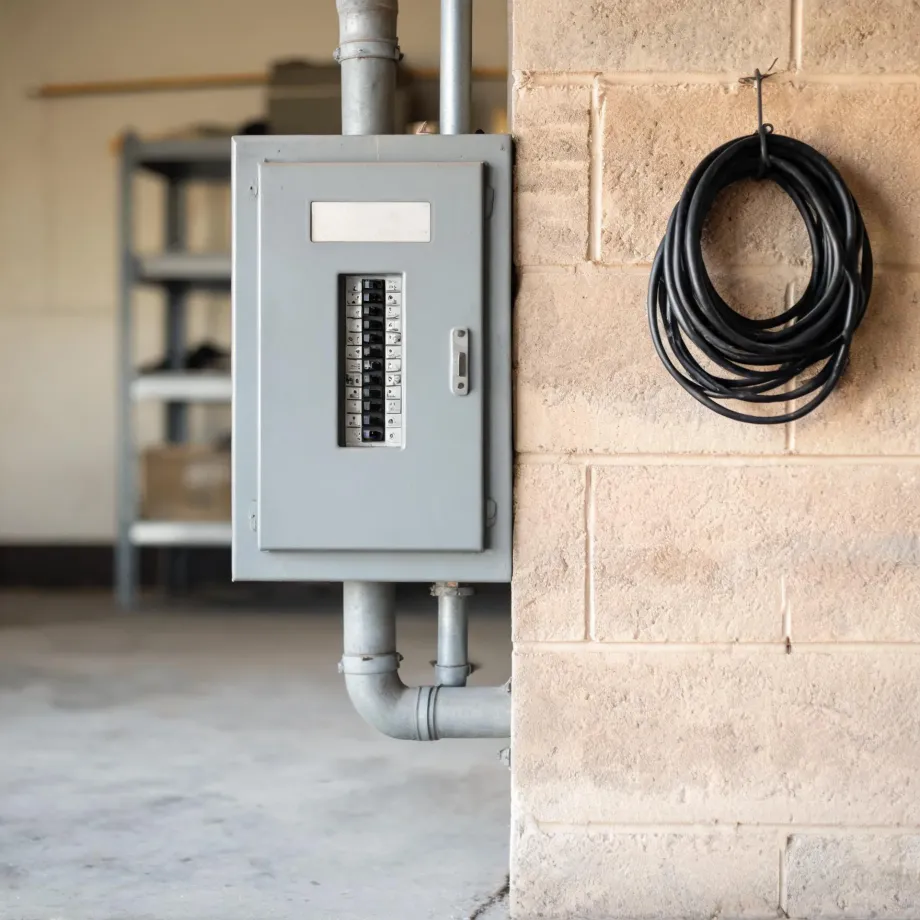
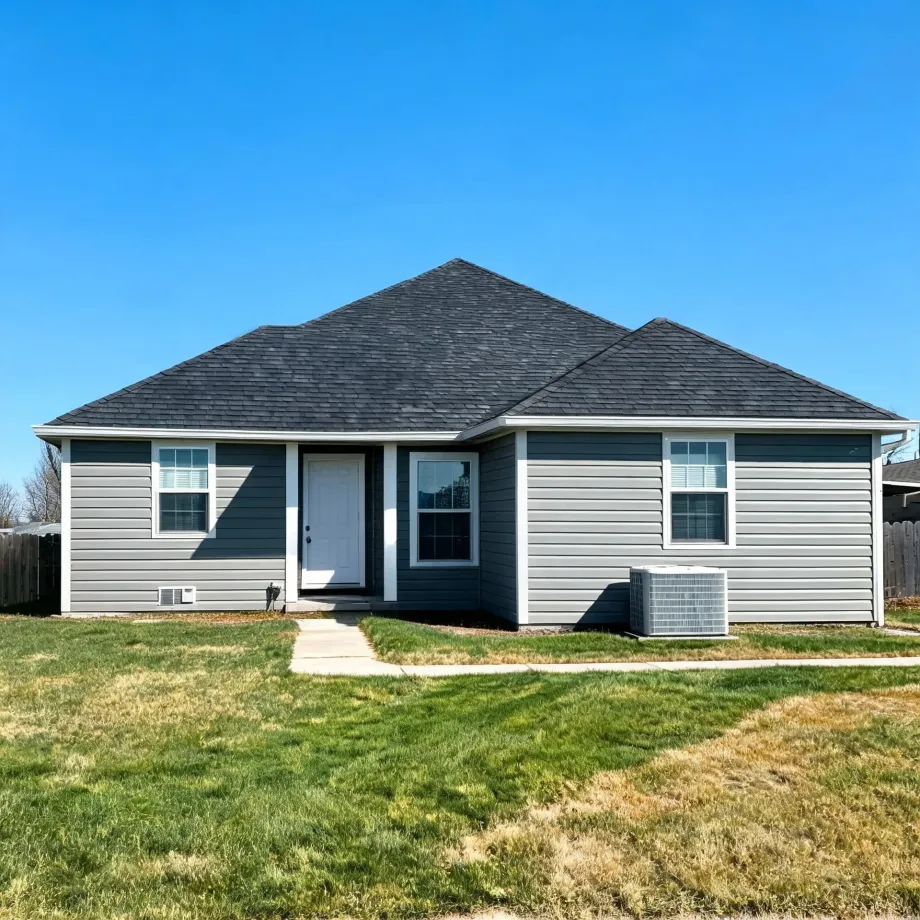
Half the homes in Pima County, Arizona were built in 1986 or earlier (2020-2024 ACS 5-year). A house built that long before today's mini-split systems existed was wired and plumbed around something else entirely. When a technician opens the unit, the refrigerant lines coming out of the wall and the circuit feeding it may reflect an older system's specifications, not the one now running. That mismatch shows up in the repair scope: a straightforward component swap can stall on a feed that needs correction before the unit can run safely at its rated draw.
The Parts of a Mini-split a Contractor Checks First
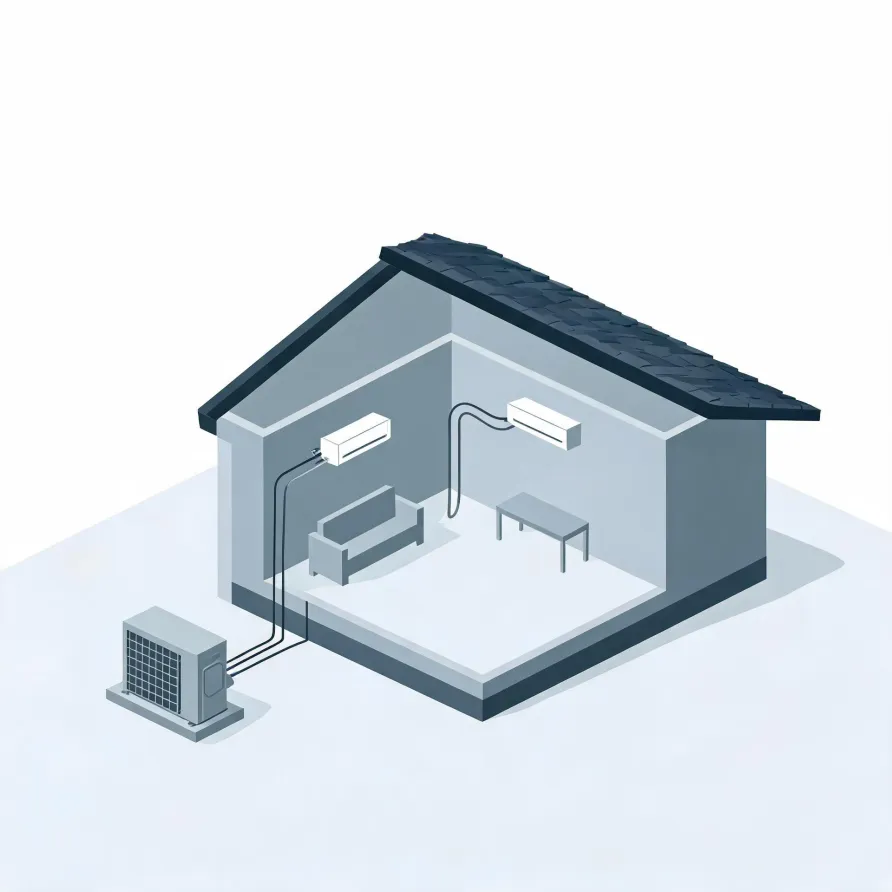
The indoor air handler mounts high on a wall inside the room and is the piece a homeowner notices most. It pulls room air across a coil and a blower, so when it is the source of trouble, the signs show up as weak airflow, warm air where cold was expected, or ice forming on the unit itself.
The outdoor condenser unit sits on a pad or bracket outside the house and carries the compressor, the condenser coil, and a fan. A set of refrigerant lines and a control wire run through the wall to connect the two units, and the condensate drain line runs from the indoor head to the outside. Any of these connections can be where a contractor traces a problem back to.
The drawing shows the general layout of a mini-split system, and a licensed contractor determines which components and conditions apply to your particular house.
Find a contractor in Pima CountyPima County, by the numbers
405 severe weather events were recorded in Pima County, Arizona between 2015 and 2024.
NOAA National Centers for Environmental Information, Storm Events Database, bulk CSV export, events 2015-01-01 through 2024-12-31.Half the homes in Pima County, Arizona were built in 1986 or earlier (2020-2024 ACS 5-year).
U.S. Census Bureau, 2020-2024 American Community Survey 5-Year EstimatesPima County, Arizona holds 479,939 housing units (2020-2024 ACS 5-year).
U.S. Census Bureau, 2020-2024 American Community Survey 5-Year EstimatesOwners occupy 65.2% of the occupied homes in Pima County, Arizona (2020-2024 ACS 5-year).
U.S. Census Bureau, 2020-2024 American Community Survey 5-Year EstimatesCodes & Standards Governing Mini-Split Repair in Pima County, Arizona1 sourced rules & standards
Licensing and Legal Requirements in Pima County, Arizona
Arizona requires a contractor licence in good standing: it is unlawful to engage in the business of contracting, to bid, or to act or hold yourself out as a contractor without one.
Severe Weather Events in Pima County
Pima County's climate puts real pressure on heating and cooling equipment, and that pressure compounds over time. How often severe weather rolls through a county shapes how hard a mini-split has to work and how soon its components need attention.
405 severe weather events, 2015–2024. Source: NOAA National Centers for Environmental Information, Storm Events Database.