Sized right, it keeps up
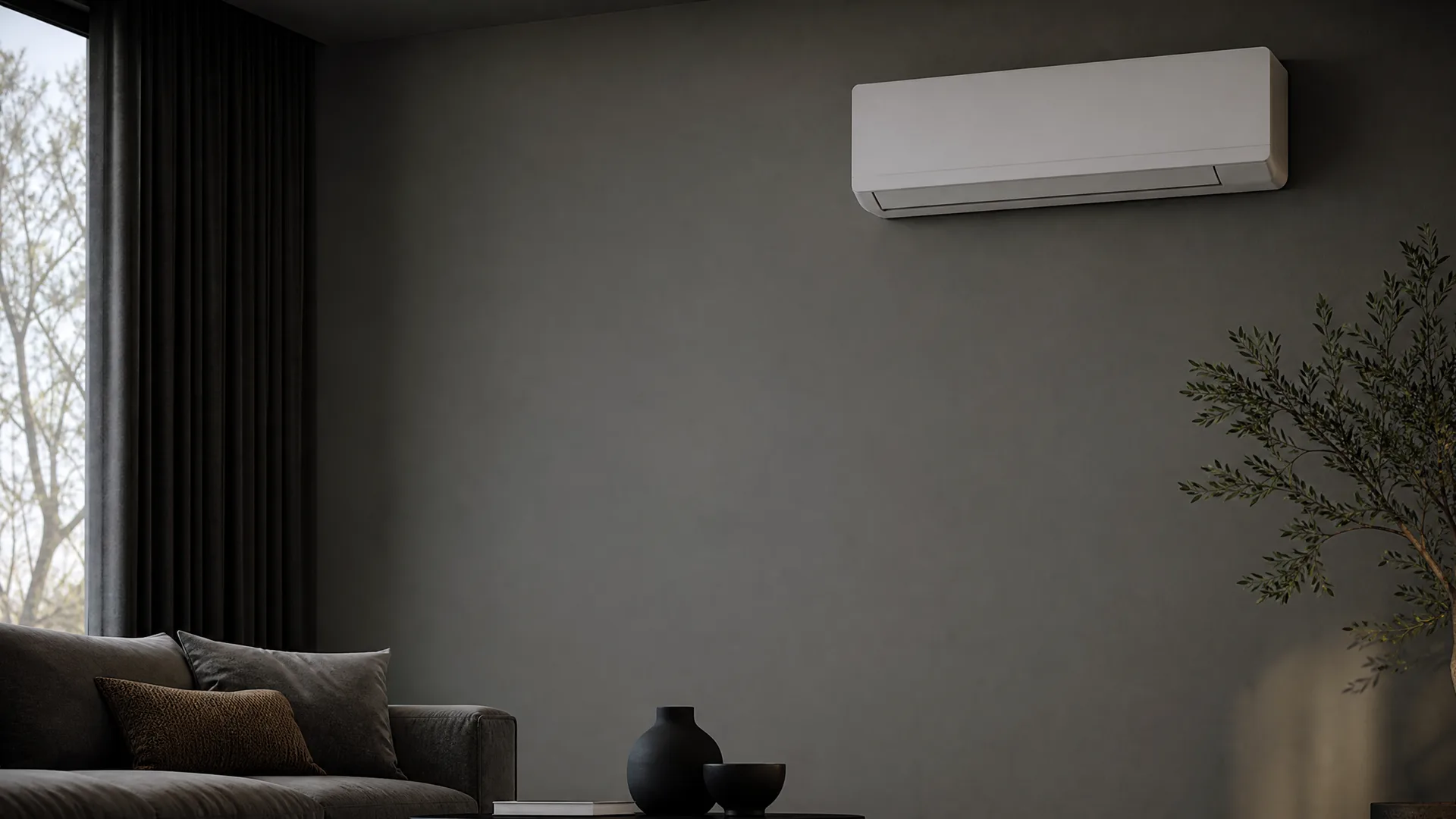
A mini split sized for the room cycles on and off through the day instead of running nonstop. The space holds a steady temperature and the air stays dry, even with the afternoon sun coming through that window.
 Get matched
Describe your mini split job, and a local pro who handles it gets in touch.
A mini split that's too small will run flat out all July and August and still lose the fight against the heat. One that's too big cools the room fast, shuts off, and leaves the air clammy instead of dry. Getting the size right for an Arizona summer takes more than square footage. It depends on which way the room faces, how much sun hits the walls, how high the ceiling runs, and what's already blowing through the ductwork if there is any. A contractor who installs these day to day works through that math on site, not off a chart.
Most homes here heat with electric, and the same mini split that cools your room in August is likely carrying the load in January too. Sizing it wrong costs you twice, once in July and again in December.
Figuring this out on your own means calling a handful of installers, explaining your house to each one, and trying to make sense of quotes that size the job differently because nobody saw the same walls. That's the part this page takes off your plate. Tell it what you're working with and it matches you with a contractor who installs mini splits in Arizona homes and already knows how the heat here changes the math. They'll reach out to you directly, look at your actual space, and size the unit to it instead of to an average.
You still get a straight answer about what size fits your room. You just don't have to chase it down yourself, explain your house four times over the phone, or guess which quote to trust. The work of finding someone who knows this climate and this kind of install is done before you ever pick up the phone. From here, the button below starts that match.
Sizing a mini split for an Arizona home comes down to BTUs per square foot, and the dry heat here changes the math. A room that would need 20 BTU per square foot in a humid state often needs less here, because the air is already dry and the unit isn't fighting moisture the way it would elsewhere. But Arizona summers push outdoor temperatures well past what a unit's rated capacity assumes, so the room's exposure matters as much as its square footage. A west-facing room with a lot of glass needs more capacity than a shaded interior room the same size. Ceiling height, insulation, and how many walls face outside sun all shift the number up or down. A contractor sizes the unit with a load calculation that accounts for your specific room, not a generic chart. Getting this number right the first time means one install instead of a unit you're fighting with every July.
That rate applies to whatever size mini split you end up with, so getting the BTU count right matters more here than in a state where power costs less. A unit sized too large cycles on and off all summer, and every one of those cycles runs up a bill already priced at 15.26 cents a kilowatt-hour.
EIA-861 2025 statewide residential average
Answer a few questions instead of calling shop after shop.
A local installer who puts in mini splits gets your project.
Sending the form costs nothing.




You've seen the BTU per square foot charts, and you figured you could just measure the room and look up a number. But something about that feels off once you start comparing notes with a friend in a different state, or once you remember how different your south-facing room feels from the one that barely gets sun.
A mini split sizing chart gives you a BTU range for the square footage, but that range assumes an average room. Ceiling height changes how much air there is to cool. A west-facing room with a lot of glass picks up heat all afternoon that a shaded, north-facing room never sees. The number of people who use the room, and whether a kitchen or a row of electronics sits nearby, adds heat the square footage can't account for. In Arizona, the dry air works in your favor, so a room here can often run on a lower BTU per square foot than the same room in a humid state. A contractor accounts for all of that with a load calculation, not just a tape measure.


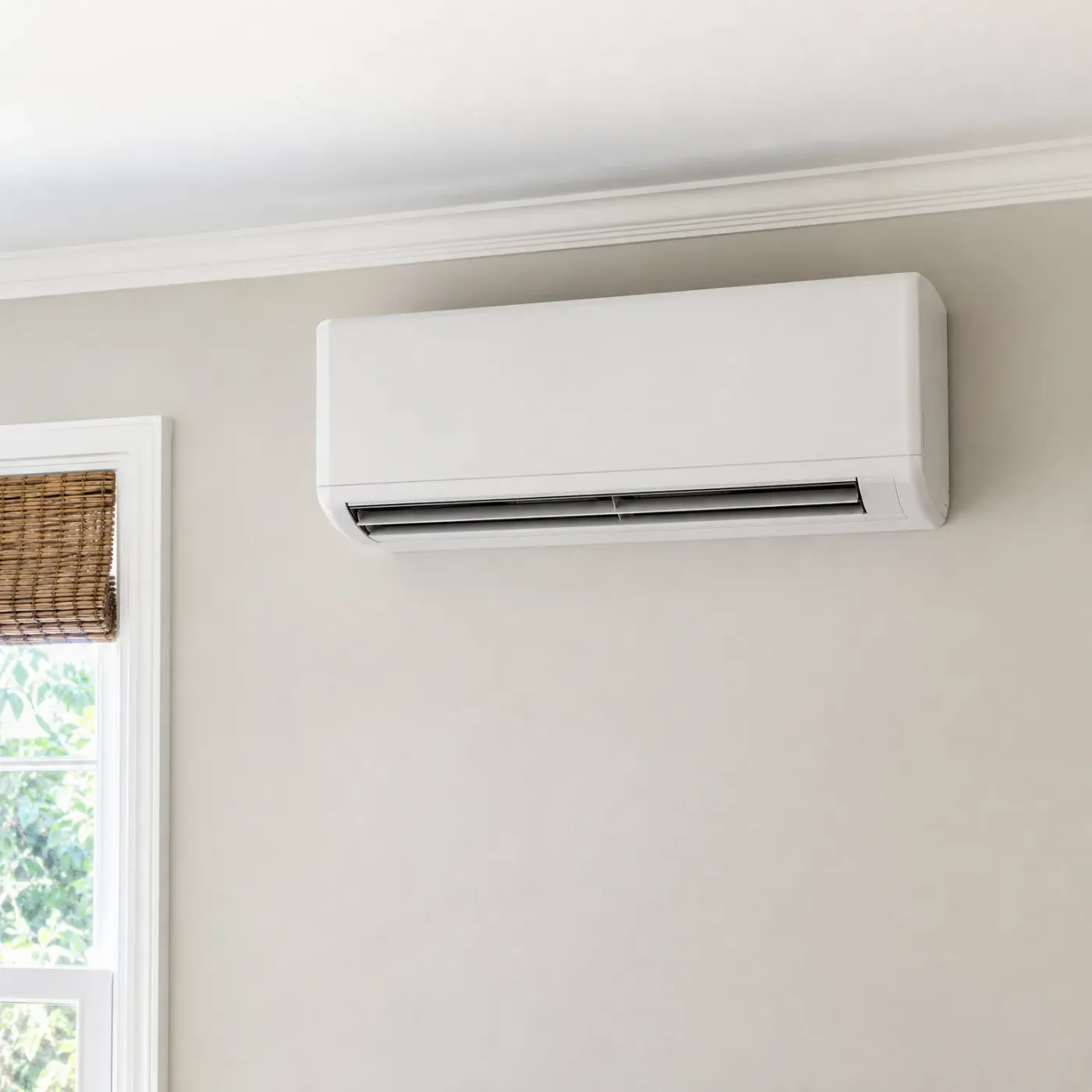
A mini split sized for the room cycles on and off through the day instead of running nonstop. The space holds a steady temperature and the air stays dry, even with the afternoon sun coming through that window.
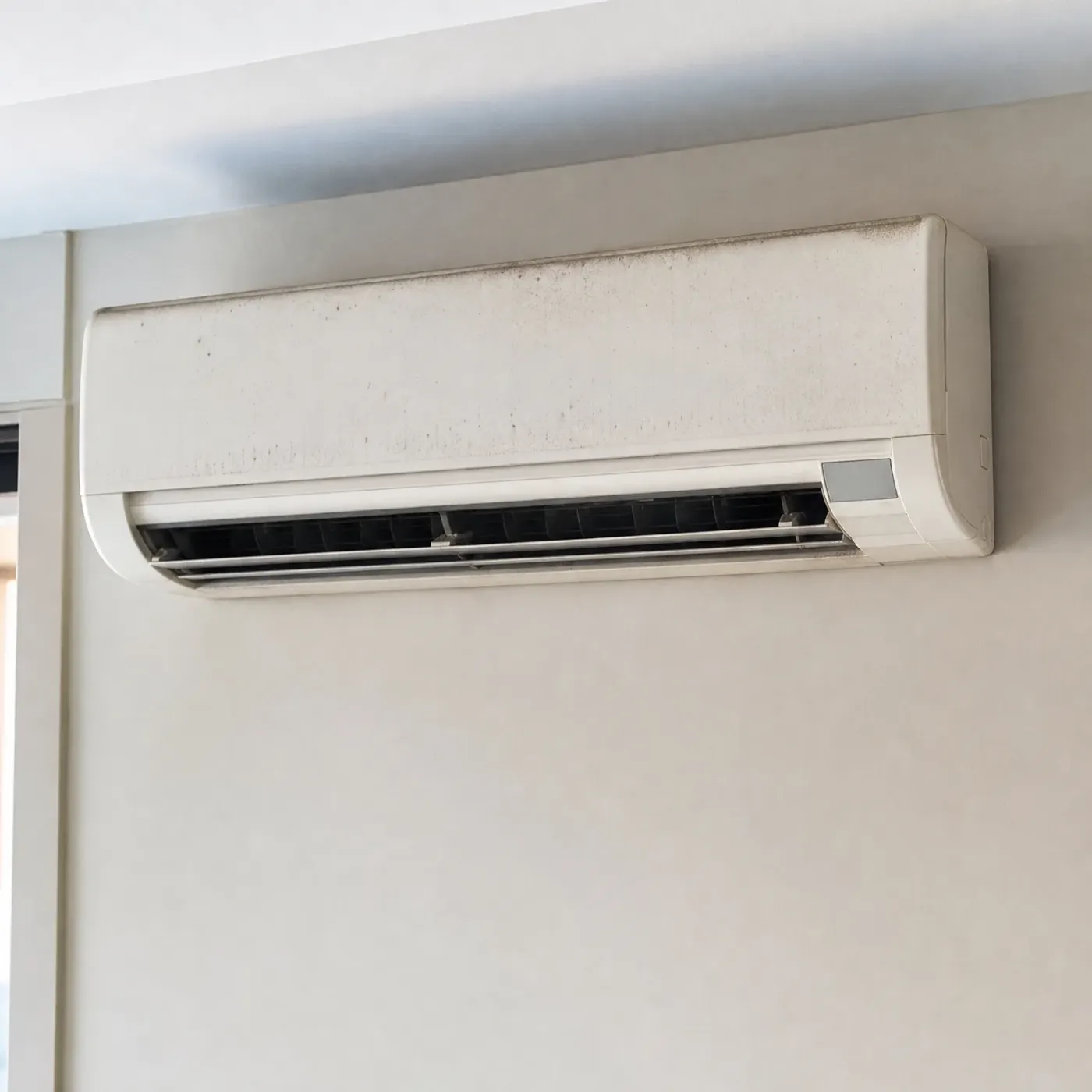
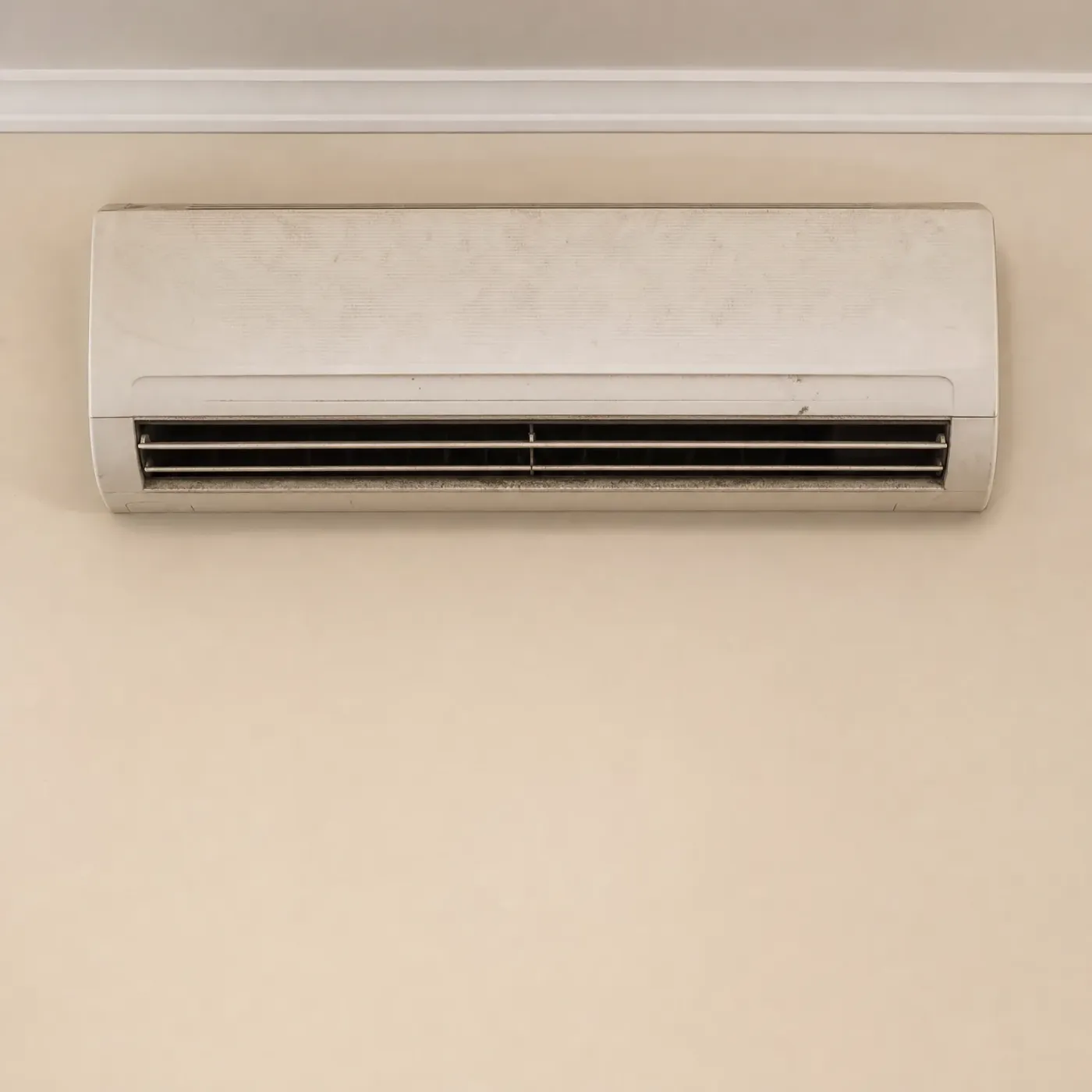
A unit working harder than its BTU count allows picks up dust faster because it's pulling air through the coil nonstop trying to catch up. The room never quite cools, and the strain shows on the unit itself.

A mini split sized for your space, your sun exposure, and Arizona's dry heat is the one that holds a steady temperature through August without running nonstop or short-cycling. Square footage alone was never going to get you there, and now you know why.
What's left is matching that number to someone who installs it correctly, and that part is its own project. You'd be the one calling around, explaining your room and your exposure to each contractor, then sitting with quotes that are hard to compare because no two of them sized it the same way. Skip that. Share what you know about your space and get matched with a contractor who works in Arizona homes and sizes mini splits for this climate, and they'll reach out to you directly.

Describe your mini split job once, to one pro.